article A New Creative
Era
A New Creative
Era
Gone are the days of one-size-fits-all models that
ignored local context. Fifi Gianini explores a new, culturally
attuned era reshaping how we stay.
ignored local context. Fifi Gianini explores a new, culturally
attuned era reshaping how we stay.
Gone are the days of one-size-fits-all models that
ignored local context. Fifi Gianini explores a new, culturally
attuned era reshaping how we stay.
The world of hospitality is undergoing a quiet revolution, driven not by thread-counts or spa menus, but by creative vision. Designers, artists and architects are reimagining how we experience travel, creating spaces that are as much about connection, culture, and sustainability as they are about comfort. As the demand for authentic, experience-led travel grows, a new wave of creative visionaries is responding by designing spaces that reflect the cultural depth of their locations while embracing a global perspective. This new era of hospitality is no longer defined by a bed for the night, but by immersive experiences rooted in place, people and time.
To better understand the creative forces behind this emerging design movement, David Cámara, Director of UNEX, Spain’s leading Contract Association uniting architects, designers, engineers, and tech firms, offers a compelling perspective. The shift, he suggests, is being driven by the growing influence of local creative communities: “The future of design lies in the empowerment of emerging creative communities. By including them in the design process from the very beginning, we not only preserve their cultural identities but also unlock their creative potential. This collaborative approach, connecting decision-making teams with local artists and designers, is key to generating more authentic, culturally rich spaces.” His comments reflect a broader trend towards decentralised creativity—one that values grassroots input as much as global expertise. Whether taking cues from the energy of the bustling streets of Buenos Aires or the serene landscapes of Bali, designers are responding to context, not simply imposing aesthetics, but interpreting them in ways that resonates with their surroundings. The result is not just a trend but a redefinition: an experience that feels truly rooted in its place.
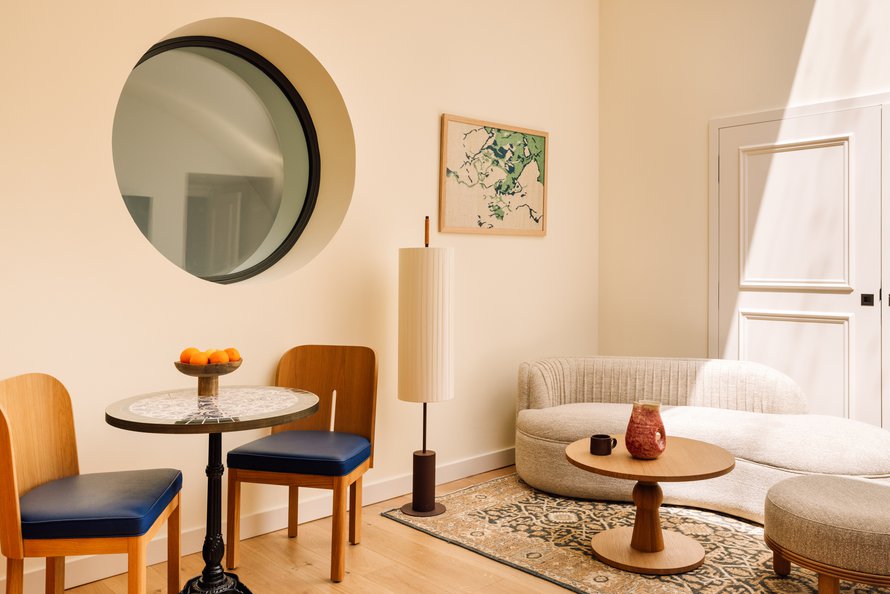
Take Locke de Santa Joana in Lisbon, part of the edyn group. The property, once a 17th century convent, exemplifies this philosophy. “For our historic properties, we always seek to implement a strategy of adaptive reuse” says Marshall Inglis, Senior Design Manager at edyn. “Our design team’s approach was to frame and enliven the key aspects of the property, with a design approach that compliments and pays homage to the history of the building and the wider city.” This tension between past and present, between preservation and progress, sits at the heart of modern hospitality. “It’s about framing a narrative that feels both timeless and contemporary,” Marshall adds, “where the space is infused with the local essence, but still offers a fresh, modern experience.”
To better understand the creative forces behind this emerging design movement, David Cámara, Director of UNEX, Spain’s leading Contract Association uniting architects, designers, engineers, and tech firms, offers a compelling perspective. The shift, he suggests, is being driven by the growing influence of local creative communities: “The future of design lies in the empowerment of emerging creative communities. By including them in the design process from the very beginning, we not only preserve their cultural identities but also unlock their creative potential. This collaborative approach, connecting decision-making teams with local artists and designers, is key to generating more authentic, culturally rich spaces.” His comments reflect a broader trend towards decentralised creativity—one that values grassroots input as much as global expertise. Whether taking cues from the energy of the bustling streets of Buenos Aires or the serene landscapes of Bali, designers are responding to context, not simply imposing aesthetics, but interpreting them in ways that resonates with their surroundings. The result is not just a trend but a redefinition: an experience that feels truly rooted in its place.
Take Locke de Santa Joana in Lisbon, part of the edyn group. The property, once a 17th century convent, exemplifies this philosophy. “For our historic properties, we always seek to implement a strategy of adaptive reuse” says Marshall Inglis, Senior Design Manager at edyn. “Our design team’s approach was to frame and enliven the key aspects of the property, with a design approach that compliments and pays homage to the history of the building and the wider city.” This tension between past and present, between preservation and progress, sits at the heart of modern hospitality. “It’s about framing a narrative that feels both timeless and contemporary,” Marshall adds, “where the space is infused with the local essence, but still offers a fresh, modern experience.”
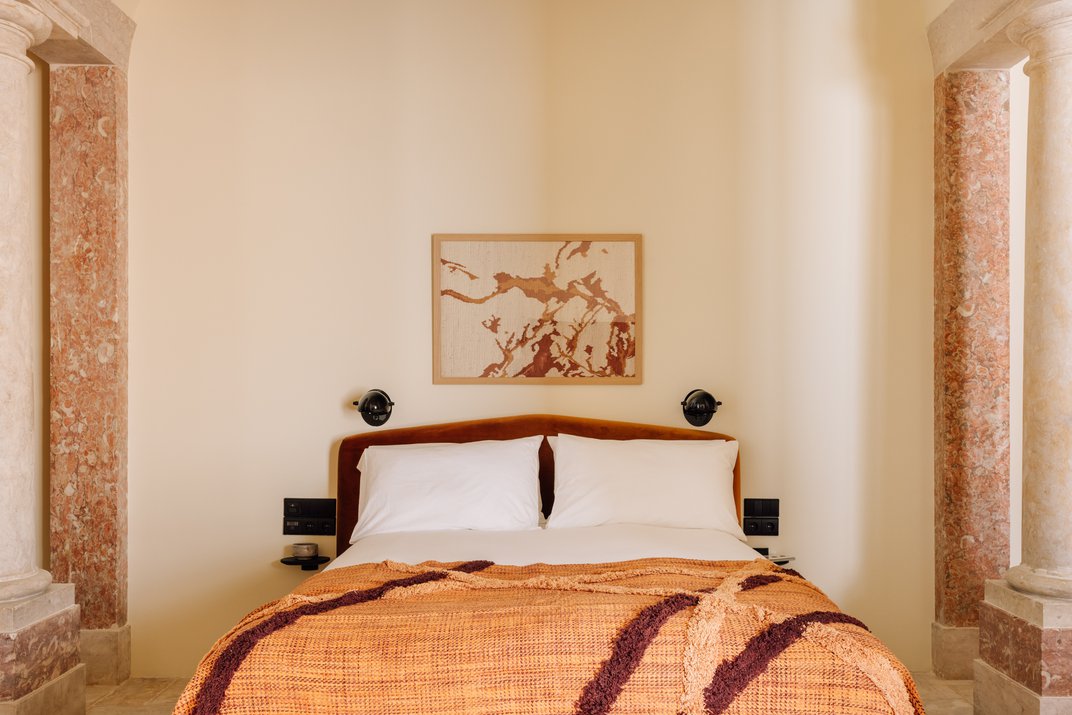
Locke de Santa Joana, featuring a commission by Ana Teresa Barboza. Interiors by Post Company, art curation by Artiq, photography by Francisco Nogueira
The modern hotel is no longer simply a place to sleep. It’s a space to work, to play, to pause. As the lines between business and leisure blur, hospitality has responded with spaces that enable collaboration, creativity and well-being. The Locke brand exemplifies this adaptive approach. Its studio-apartment model meets the needs of today’s traveller, someone seeking not just a bed, but a place to work, connect, exercise and unwind. Guests are encouraged to live, eat, work and socialise in shared spaces that foster interaction, both with other travellers and with the local neighbourhood. It’s this holistic approach that’s redefining hospitality where the guest experience overall carries as much weight as the room itself. Marshall notes, “At Locke, we believe that modern hospitality has had to widen its offering. Our hotels create meaningful experiences and build a sense of community, both for our guests and the wider city.”
This movement is also encouraging collaboration. Across the sector, creative communities are working together, designers with artists, artists with architects, architects with local craftsmen, to develop spaces that reflect the complexities and diversity of today’s globalised world. Some 4,000 miles west across the Atlantic, at The Breakers in Palm Beach, Tihany Design took a storied property and reimagined it with sensitivity and flair. “Our design philosophy is rooted in storytelling,” says Alessia Genova, Principal at Tihany Design. “Each project is tailored to its specific location and brand DNA, and we infused The Breakers with elements that reflect the spirit of Palm Beach, light-filled spaces, sophisticated coastal references, and a colour palette that echoes the surrounding landscape.”
That interplay between old and new is a thread running through many contemporary hospitality projects. From Locke’s adaptive re-use of historic buildings or Tihany Design’s respectful modernisation of an iconic property, the aim is the same: to create spaces that are rooted in place and made for the moment.
This movement is also encouraging collaboration. Across the sector, creative communities are working together, designers with artists, artists with architects, architects with local craftsmen, to develop spaces that reflect the complexities and diversity of today’s globalised world. Some 4,000 miles west across the Atlantic, at The Breakers in Palm Beach, Tihany Design took a storied property and reimagined it with sensitivity and flair. “Our design philosophy is rooted in storytelling,” says Alessia Genova, Principal at Tihany Design. “Each project is tailored to its specific location and brand DNA, and we infused The Breakers with elements that reflect the spirit of Palm Beach, light-filled spaces, sophisticated coastal references, and a colour palette that echoes the surrounding landscape.”
That interplay between old and new is a thread running through many contemporary hospitality projects. From Locke’s adaptive re-use of historic buildings or Tihany Design’s respectful modernisation of an iconic property, the aim is the same: to create spaces that are rooted in place and made for the moment.
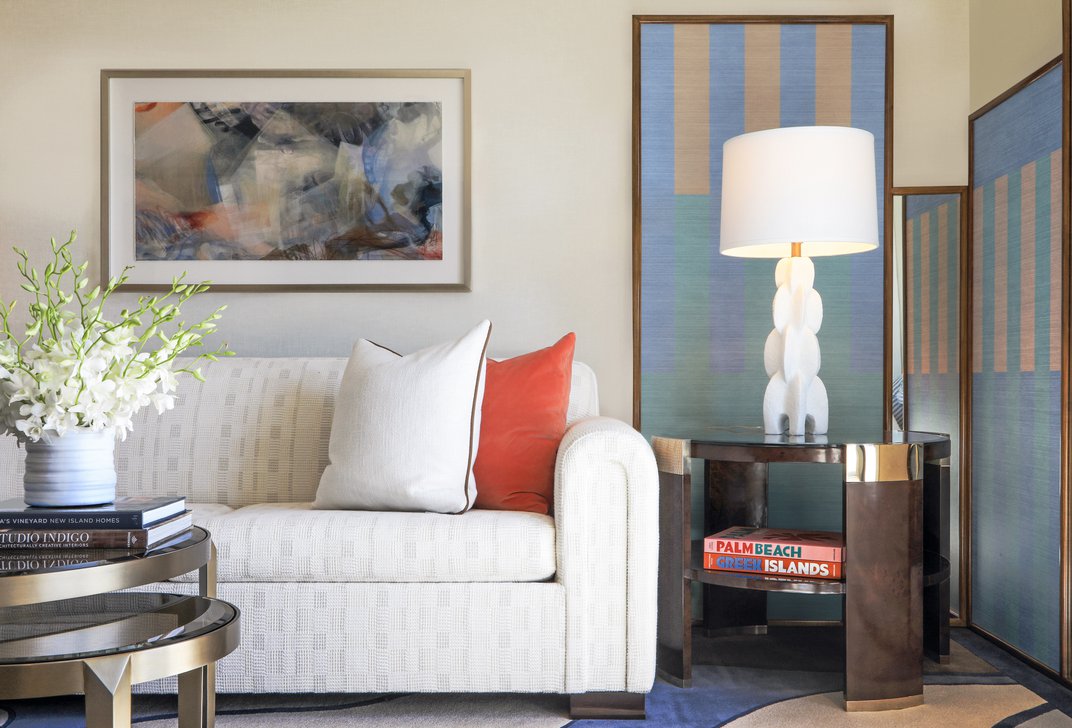
The Breakers, with interiors by Tihany Design, art curation by Artiq, photography by Riccardo Piazza
Art, too, plays a pivotal role. For designers like Alessia, art contributes to the narrative of the interior: “Art is an essential layer of any interior, it brings depth, emotion, and a sense of place. When art and interior design are in dialogue, they create an immersive environment where every element feels intentional and interconnected.” At The Breakers, art is a used not only to honour history but introducing new perspectives, with a group of contemporary Florida-based artists now on display within the property.
Similarly, at Locke de Santa Joana, artist Ana Teresa Barboza was commissioned to create brand new works inspired by Lisbon’s geography and colour palette. Marshall explains the thought process behind this collaboration: “Ana’s work is deeply rooted in an understanding of tradition and the natural landscape, and these aspects appealed to us. The resulting artwork, exhibited in our guestrooms, complements the spaces while evoking essences of Lisbon’s unique landscape.” In these spaces, art becomes integral to the experience, not an afterthought. As David remarks: “The impact of emerging creative communities in shaping hospitality cannot be overstated. By empowering local artists and designers to be involved in every stage of the design process, we ensure that the spaces we create are not only innovative but deeply connected to their surroundings. It’s about understanding and amplifying the unique stories that each community has to tell.”
As the hospitality industry continues to evolve, the influence of creative communities remains undeniable. From sustainable design to blended spaces, global aesthetics to local storytelling, creative visionaries are shaping not just how we travel, but why. Marshall sums it up: “It is about offering more: more experiences, more community, and more connection to the places we inhabit. We are shifting the understanding of what a hotel can be, and in doing so, we are reshaping the very nature of travel itself.” The future of hospitality is creative, collaborative, and deeply connected to its surroundings—and that future is already here.
Fifi Gianini, Lead Art Consultant, Hospitality
Similarly, at Locke de Santa Joana, artist Ana Teresa Barboza was commissioned to create brand new works inspired by Lisbon’s geography and colour palette. Marshall explains the thought process behind this collaboration: “Ana’s work is deeply rooted in an understanding of tradition and the natural landscape, and these aspects appealed to us. The resulting artwork, exhibited in our guestrooms, complements the spaces while evoking essences of Lisbon’s unique landscape.” In these spaces, art becomes integral to the experience, not an afterthought. As David remarks: “The impact of emerging creative communities in shaping hospitality cannot be overstated. By empowering local artists and designers to be involved in every stage of the design process, we ensure that the spaces we create are not only innovative but deeply connected to their surroundings. It’s about understanding and amplifying the unique stories that each community has to tell.”
As the hospitality industry continues to evolve, the influence of creative communities remains undeniable. From sustainable design to blended spaces, global aesthetics to local storytelling, creative visionaries are shaping not just how we travel, but why. Marshall sums it up: “It is about offering more: more experiences, more community, and more connection to the places we inhabit. We are shifting the understanding of what a hotel can be, and in doing so, we are reshaping the very nature of travel itself.” The future of hospitality is creative, collaborative, and deeply connected to its surroundings—and that future is already here.
Fifi Gianini, Lead Art Consultant, Hospitality