article Art in the
Aftermath
Art in the
Aftermath
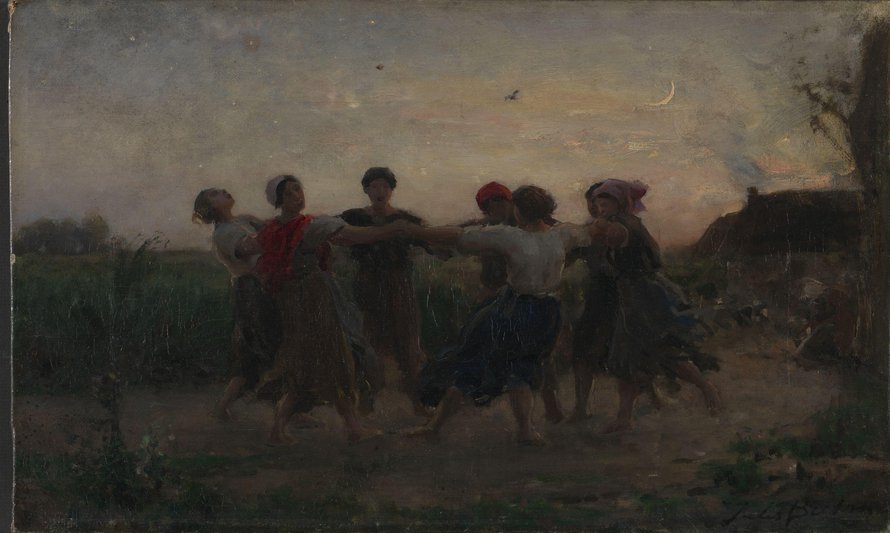
Riki Auton explores technology’s potential to create a
more inclusive and accessible world and shares a promising
future for artistic enterprise.
more inclusive and accessible world and shares a promising
future for artistic enterprise.
Riki Auton explores technology’s potential to create a
more inclusive and accessible world and shares a promising
future for artistic enterprise.
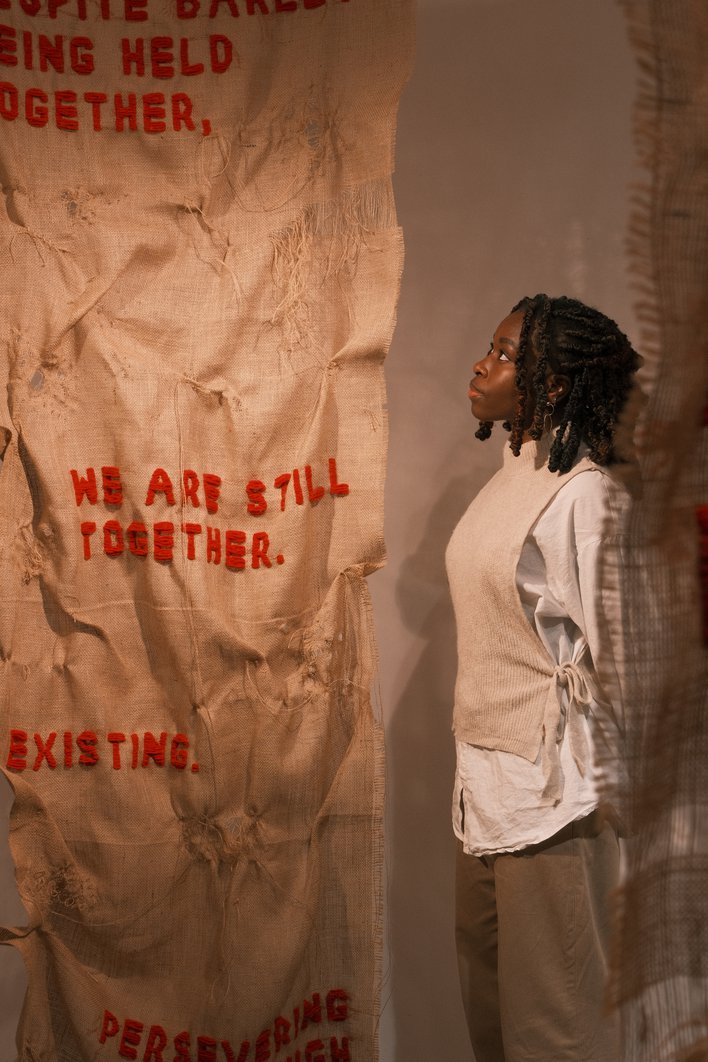
Joke Amusan by Lara Amusan
Art and technology are often seen as opposing forces—Art grounded in subjective expression, and Technology in objective analysis. And yet, throughout history, they have remained interconnected; from the earliest discoveries in pigment chemistry to the invention of photography, creativity and technological innovation have worked hand-in-hand to drive progress. The divide between art and technology is, therefore, more myth than reality—a fallacy that overlooks their shared foundations in curiosity and imagination.
While some argue that technological developments like artificial intelligence threaten traditional forms of creativity, this is not necessarily true. Instead, the future presents exciting opportunities for art and technology to work more effectively together, fostering greater inclusivity in creative practice. Art has the power to convey emotions, ideas, and experiences that transcend local languages and cultures, yet without proper accommodations, many are excluded from this shared cultural dialogue. Ensuring that everyone, regardless of background, ability, or circumstance, can engage with art helps build a society in which creativity becomes a universal language: a means to connect, understand, and empathise in an evolving technological landscape.
In this context, recent digital advancements have expanded the potential for artistic expression and accessibility across the entire creative process. From ideation to execution and post-production, technology has shown its capacity to amplify and refine the way artists work. Once made, social media has radically transformed how art is shared. Historically, artists relied on galleries and fairs to showcase and sell their work, networking with patrons, journalists, and the public to gain recognition. However, high costs of entry and geographic constraints have often limited opportunities for many emerging or marginalised artists. Opportunities depended heavily on personal connections, while curators and dealers have favoured established or marketable artists.
Although these barriers persist, access to the creative industry is undergoing a significant shift. Instagram, TikTok, and X (Twitter) have dismantled restrictions of access and location, enabling artists to showcase their work globally without depending on traditional gatekeepers of taste. Similarly, services like Patreon and NFT marketplaces offer ways for artists to monetise their work without intermediaries. This direct engagement fosters deeper relationships between artists and audiences, liberating creators from reliance on institutional grants or gallery representation. Emerging artists, particularly those from underrepresented backgrounds, now have the tools to connect with larger audiences, build followings, sell work, and cultivate personal brands without sacrificing money, time, or creative integrity. This shift empowers them to develop work that aligns with their creative vision, rather than conforming to market demands dictated by institutions.
While some argue that technological developments like artificial intelligence threaten traditional forms of creativity, this is not necessarily true. Instead, the future presents exciting opportunities for art and technology to work more effectively together, fostering greater inclusivity in creative practice. Art has the power to convey emotions, ideas, and experiences that transcend local languages and cultures, yet without proper accommodations, many are excluded from this shared cultural dialogue. Ensuring that everyone, regardless of background, ability, or circumstance, can engage with art helps build a society in which creativity becomes a universal language: a means to connect, understand, and empathise in an evolving technological landscape.
In this context, recent digital advancements have expanded the potential for artistic expression and accessibility across the entire creative process. From ideation to execution and post-production, technology has shown its capacity to amplify and refine the way artists work. Once made, social media has radically transformed how art is shared. Historically, artists relied on galleries and fairs to showcase and sell their work, networking with patrons, journalists, and the public to gain recognition. However, high costs of entry and geographic constraints have often limited opportunities for many emerging or marginalised artists. Opportunities depended heavily on personal connections, while curators and dealers have favoured established or marketable artists.
Although these barriers persist, access to the creative industry is undergoing a significant shift. Instagram, TikTok, and X (Twitter) have dismantled restrictions of access and location, enabling artists to showcase their work globally without depending on traditional gatekeepers of taste. Similarly, services like Patreon and NFT marketplaces offer ways for artists to monetise their work without intermediaries. This direct engagement fosters deeper relationships between artists and audiences, liberating creators from reliance on institutional grants or gallery representation. Emerging artists, particularly those from underrepresented backgrounds, now have the tools to connect with larger audiences, build followings, sell work, and cultivate personal brands without sacrificing money, time, or creative integrity. This shift empowers them to develop work that aligns with their creative vision, rather than conforming to market demands dictated by institutions.
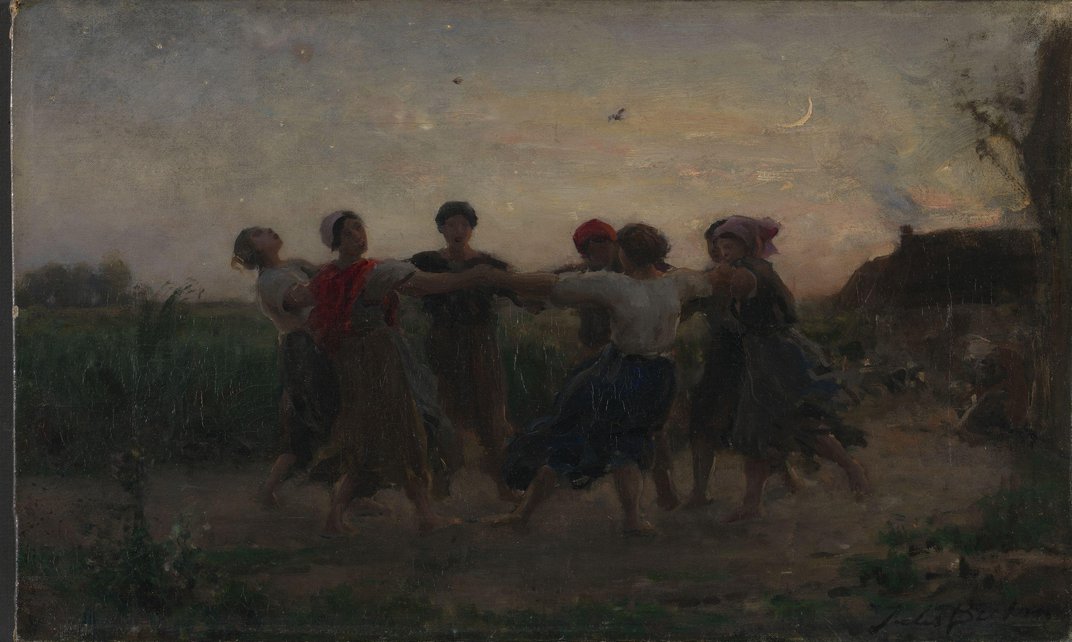
Jules Breton, Midsummer Night Dance in Courrières (Ca. 1875) Oil on canvas
One example of this new wave of creative independence is Joke Amusan, a German-Nigerian artist based in London. Exploring identity, heritage, and migration through sculpture and textile, her practice illustrates the multifaceted experiences of Black womanhood. By sharing her creative practice online, Joke has amassed a devoted following across Instagram, TikTok, YouTube, and LinkedIn. She explains, “social media has been instrumental in expanding the reach and accessibility of my art practice. It allows me to engage with a global community, nurturing meaningful connections along the way.” This visibility has resulted in a variety of exhibitions, features, and brand collaborations with the likes of Tate Modern, Muji, Hobby Craft, and British Vogue. By using social media to “provide a portfolio of my finished work, works in progress, and insight into my journey,” Joke has cultivated her own distinctive space to celebrate the Black experience.
Joke, and artists like her, are embracing social media to build platforms where they can express themselves without curation or constraint. As these technologies evolve, they continue to break down barriers, encouraging broader dialogues where opinions on art are no longer dictated by a select few. As more artists turn to social media to expand the reach and impact of their work, galleries and museums must adapt in kind, leveraging technology to improve accessibility and public engagement.
Joke, and artists like her, are embracing social media to build platforms where they can express themselves without curation or constraint. As these technologies evolve, they continue to break down barriers, encouraging broader dialogues where opinions on art are no longer dictated by a select few. As more artists turn to social media to expand the reach and impact of their work, galleries and museums must adapt in kind, leveraging technology to improve accessibility and public engagement.
For individuals with physical disabilities or limited mobility, augmented reality (AR) tours can simulate in-gallery experiences from anywhere in the world. For Deaf and visually impaired visitors, AI-powered tools are providing important accommodations like those at Museu do Amanhã in Rio de Janeiro, Brazil, which recently enhanced its AI chatbot, IRIS+, to incorporate features for real-time sign language translation and audio descriptions.
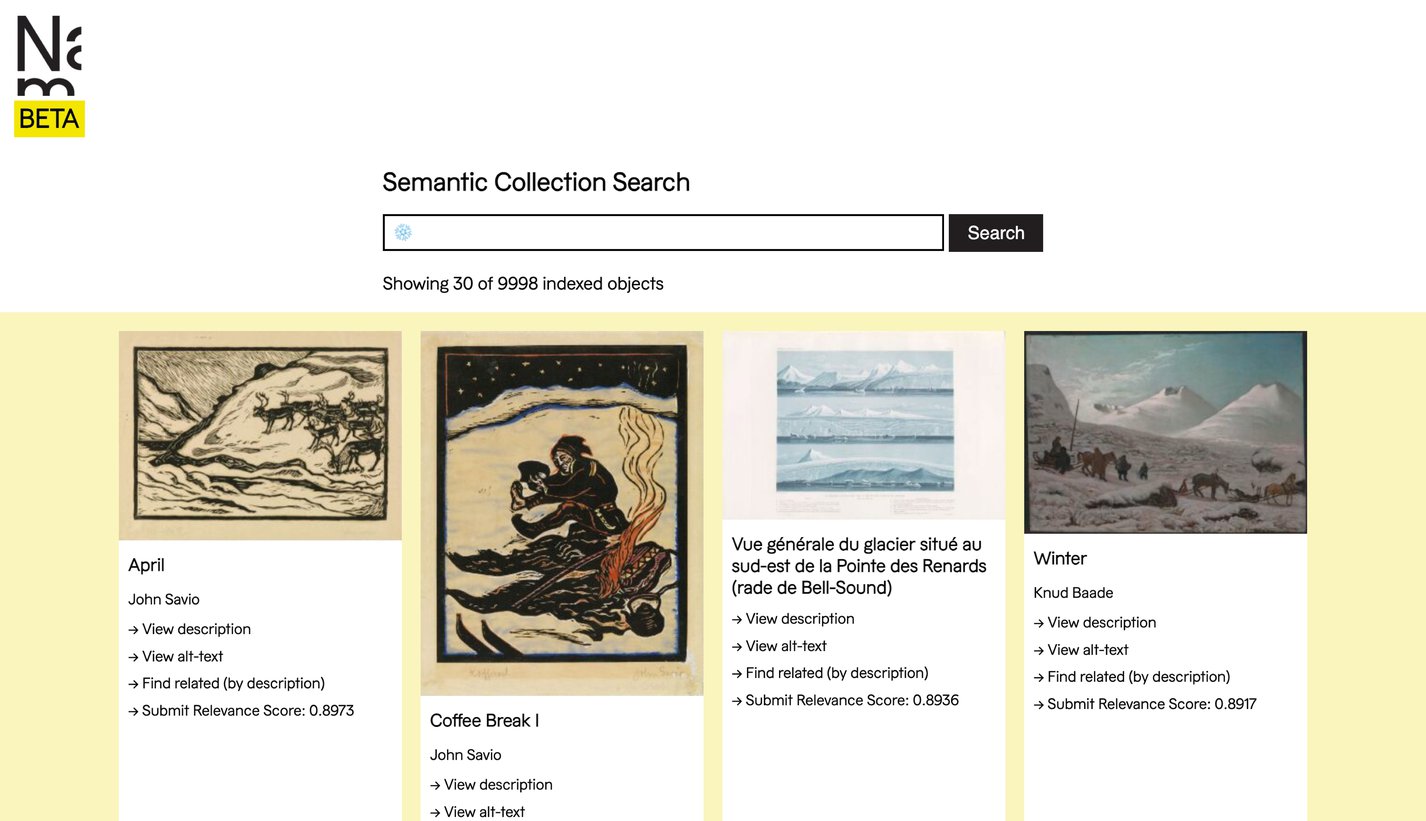
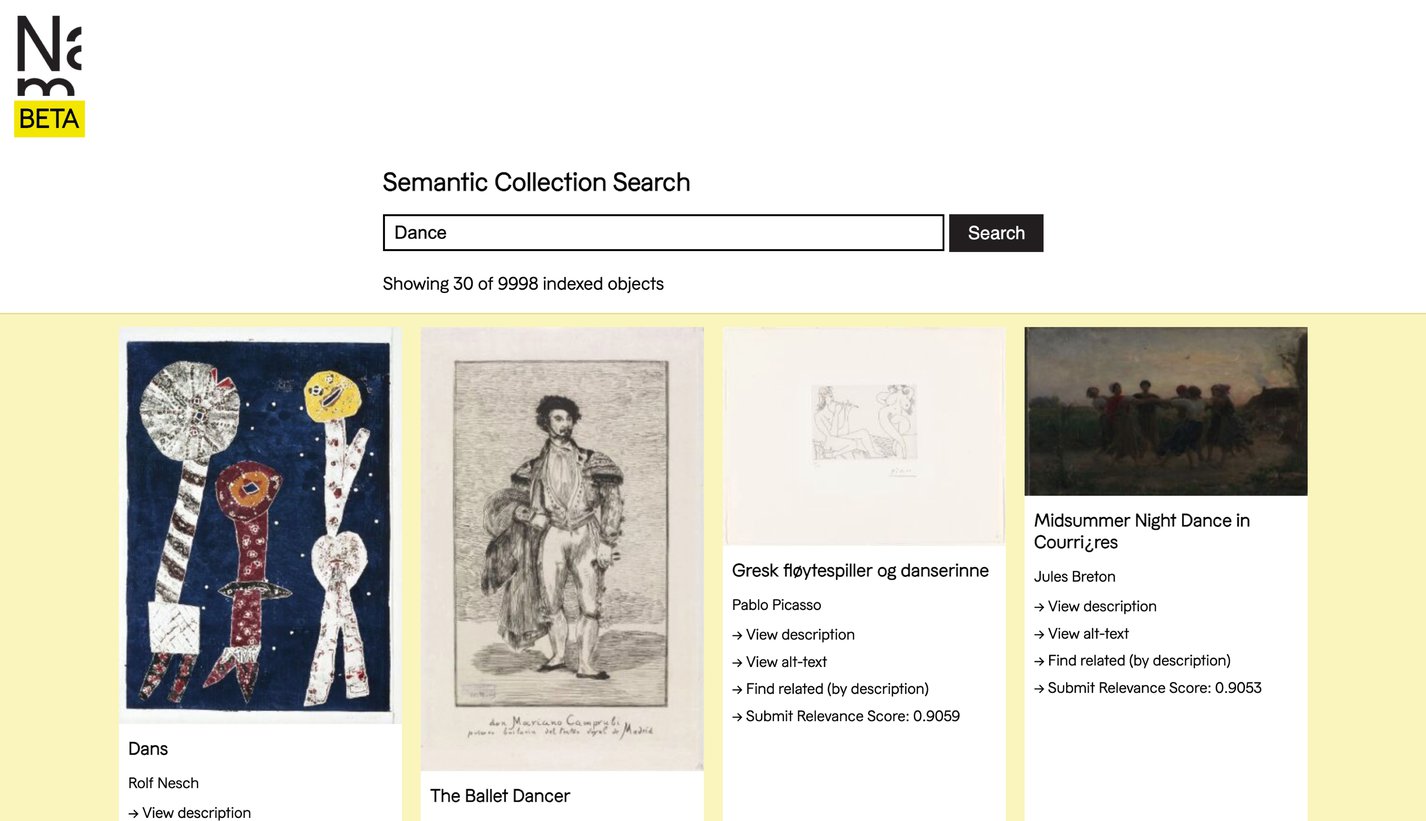
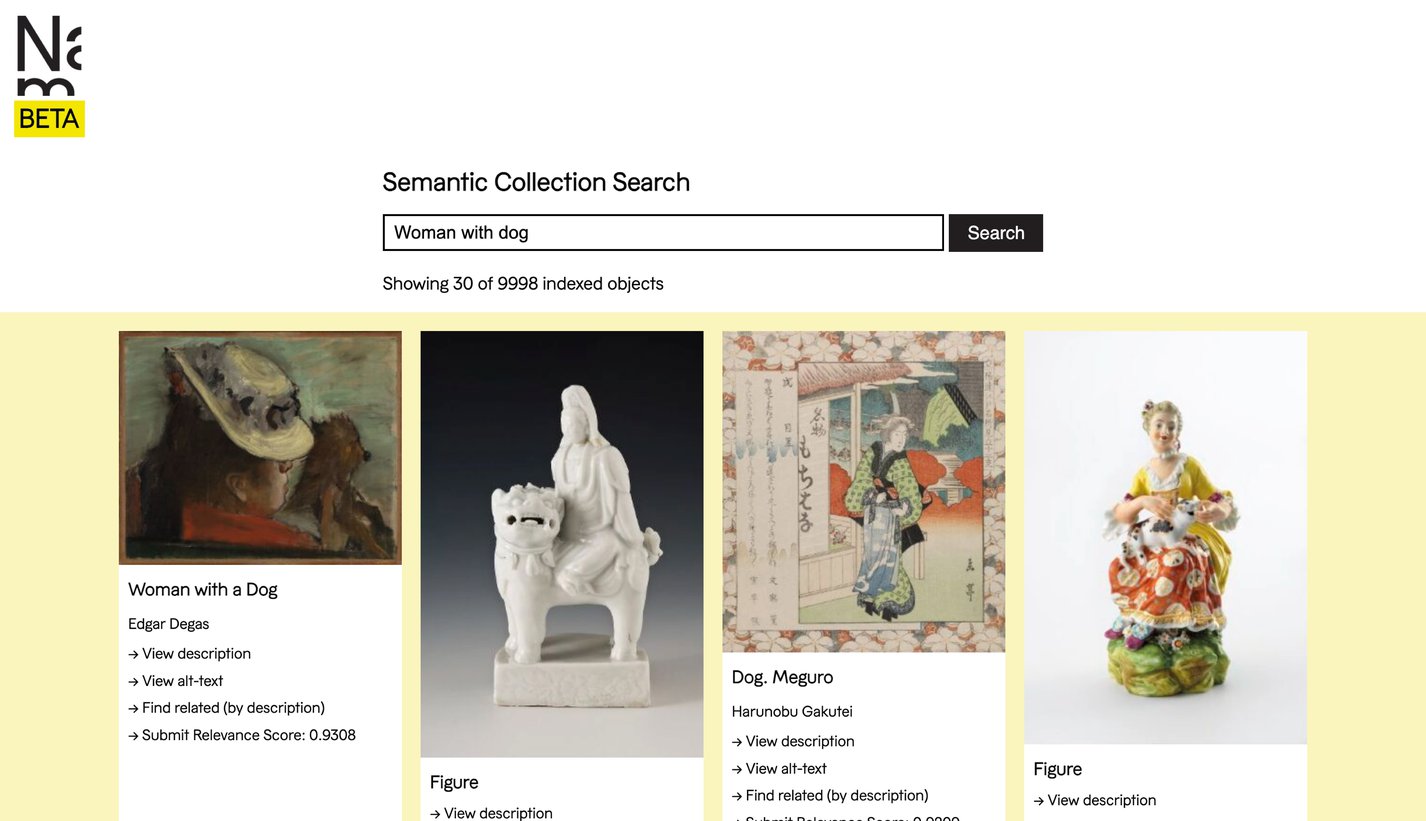
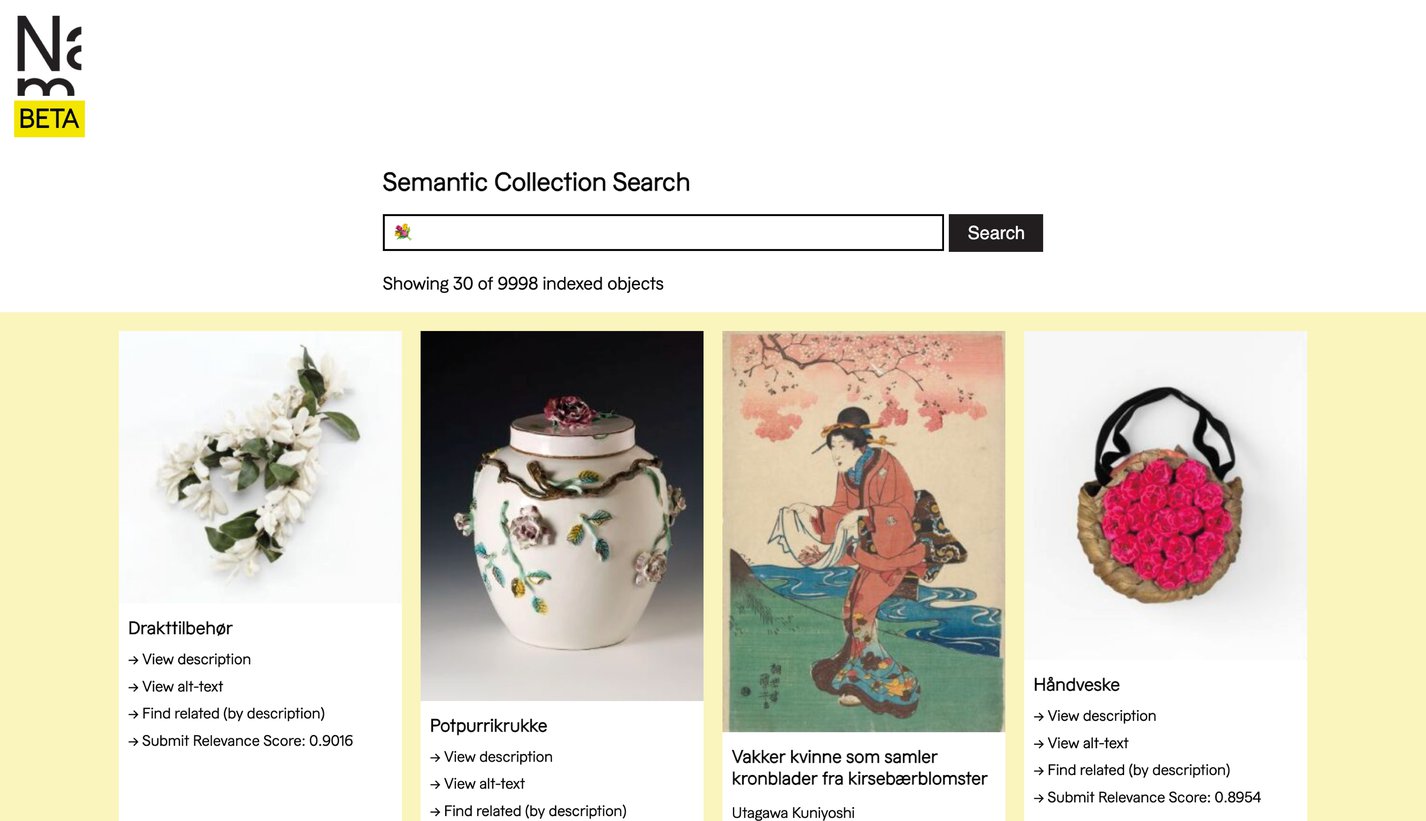
However, AI’s impact extends beyond improving physical accessibility. It can also help address issues of representation across class, race, and gender. Norway’s Nasjonalmuseet has prototyped a semantic search tool powered by OpenAI’s GPT-4 Vision API that enables users to search for artworks using descriptive text rather than specific titles or artist names.
Instead of relying on terminology rooted in European art history, users can enter intuitive search terms that resonate with their personal context and understanding. From visual motifs, to abstractions, metaphors, and emotions, the Semantic Collection Search analysed 6,000 artworks and objects to form a database of descriptive text capturing “pictorial content and motifs as well as subtleties like themes, emotions, and narratives in art.”
This tool eliminates the need to remember artworks by specific mediums, art movements, or the complicated spelling of an artist’s name. For instance, Adolph Tidemand’s A Woman’s Arm can be found by the term closeness, while a search for rural celebration reveals Jules Breton’s Midsummer Night Dance in Courrières. By accounting for diverse cultural and linguistic references, the Semantic Collection Search allows users to engage with art based on personal narratives.
This, in turn, empowers individuals from marginalised groups to search for art that resonates with their unique cultural experiences—whether based on gender, race, class, or geography. Searches like women in resistance or art about migration reveal artworks aligned with themes of diversity, inclusion, and identity, regardless of how historically dominant curatorial practices may have classified them. Not only does this offer a more intuitive way for the public to engage with art, but by encouraging discovery and exploration through casual curiosity, users are introduced to novel cultural contexts that allow them to interpret and discover art in ways that are meaningful to them.
Though the system is currently limited to Nasjonalmuseet’s collection, it represents the wider capacity of AI to explain art in a way that builds more meaningful relationships with what we see.
However, AI’s impact extends beyond improving physical accessibility. It can also help address issues of representation across class, race, and gender. Norway’s Nasjonalmuseet has prototyped a semantic search tool powered by OpenAI’s GPT-4 Vision API that enables users to search for artworks using descriptive text rather than specific titles or artist names.
Instead of relying on terminology rooted in European art history, users can enter intuitive search terms that resonate with their personal context and understanding. From visual motifs, to abstractions, metaphors, and emotions, the Semantic Collection Search analysed 6,000 artworks and objects to form a database of descriptive text capturing “pictorial content and motifs as well as subtleties like themes, emotions, and narratives in art.”
This tool eliminates the need to remember artworks by specific mediums, art movements, or the complicated spelling of an artist’s name. For instance, Adolph Tidemand’s A Woman’s Arm can be found by the term closeness, while a search for rural celebration reveals Jules Breton’s Midsummer Night Dance in Courrières. By accounting for diverse cultural and linguistic references, the Semantic Collection Search allows users to engage with art based on personal narratives.
This, in turn, empowers individuals from marginalised groups to search for art that resonates with their unique cultural experiences—whether based on gender, race, class, or geography. Searches like women in resistance or art about migration reveal artworks aligned with themes of diversity, inclusion, and identity, regardless of how historically dominant curatorial practices may have classified them. Not only does this offer a more intuitive way for the public to engage with art, but by encouraging discovery and exploration through casual curiosity, users are introduced to novel cultural contexts that allow them to interpret and discover art in ways that are meaningful to them.
Though the system is currently limited to Nasjonalmuseet’s collection, it represents the wider capacity of AI to explain art in a way that builds more meaningful relationships with what we see.
For individuals with physical disabilities or limited mobility, augmented reality (AR) tours can simulate in-gallery experiences from anywhere in the world. For Deaf and visually impaired visitors, AI-powered tools are providing important accommodations like those at Museu do Amanhã in Rio de Janeiro, Brazil, which recently enhanced its AI chatbot, IRIS+, to incorporate features for real-time sign language translation and audio descriptions.
However, AI’s impact extends beyond improving physical accessibility. It can also help address issues of representation across class, race, and gender. Norway’s Nasjonalmuseet has prototyped a semantic search tool powered by OpenAI’s GPT-4 Vision API that enables users to search for artworks using descriptive text rather than specific titles or artist names.
Instead of relying on terminology rooted in European art history, users can enter intuitive search terms that resonate with their personal context and understanding. From visual motifs, to abstractions, metaphors, and emotions, the Semantic Collection Search analysed 6,000 artworks and objects to form a database of descriptive text capturing “pictorial content and motifs as well as subtleties like themes, emotions, and narratives in art.”
This tool eliminates the need to remember artworks by specific mediums, art movements, or the complicated spelling of an artist’s name. For instance, Adolph Tidemand’s A Woman’s Arm can be found by the term closeness, while a search for rural celebration reveals Jules Breton’s Midsummer Night Dance in Courrières. By accounting for diverse cultural and linguistic references, the Semantic Collection Search allows users to engage with art based on personal narratives.
This, in turn, empowers individuals from marginalised groups to search for art that resonates with their unique cultural experiences—whether based on gender, race, class, or geography. Searches like women in resistance or art about migration reveal artworks aligned with themes of diversity, inclusion, and identity, regardless of how historically dominant curatorial practices may have classified them. Not only does this offer a more intuitive way for the public to engage with art, but by encouraging discovery and exploration through casual curiosity, users are introduced to novel cultural contexts that allow them to interpret and discover art in ways that are meaningful to them.
Though the system is currently limited to Nasjonalmuseet’s collection, it represents the wider capacity of AI to explain art in a way that builds more meaningful relationships with what we see.
However, AI’s impact extends beyond improving physical accessibility. It can also help address issues of representation across class, race, and gender. Norway’s Nasjonalmuseet has prototyped a semantic search tool powered by OpenAI’s GPT-4 Vision API that enables users to search for artworks using descriptive text rather than specific titles or artist names.
Instead of relying on terminology rooted in European art history, users can enter intuitive search terms that resonate with their personal context and understanding. From visual motifs, to abstractions, metaphors, and emotions, the Semantic Collection Search analysed 6,000 artworks and objects to form a database of descriptive text capturing “pictorial content and motifs as well as subtleties like themes, emotions, and narratives in art.”
This tool eliminates the need to remember artworks by specific mediums, art movements, or the complicated spelling of an artist’s name. For instance, Adolph Tidemand’s A Woman’s Arm can be found by the term closeness, while a search for rural celebration reveals Jules Breton’s Midsummer Night Dance in Courrières. By accounting for diverse cultural and linguistic references, the Semantic Collection Search allows users to engage with art based on personal narratives.
This, in turn, empowers individuals from marginalised groups to search for art that resonates with their unique cultural experiences—whether based on gender, race, class, or geography. Searches like women in resistance or art about migration reveal artworks aligned with themes of diversity, inclusion, and identity, regardless of how historically dominant curatorial practices may have classified them. Not only does this offer a more intuitive way for the public to engage with art, but by encouraging discovery and exploration through casual curiosity, users are introduced to novel cultural contexts that allow them to interpret and discover art in ways that are meaningful to them.
Though the system is currently limited to Nasjonalmuseet’s collection, it represents the wider capacity of AI to explain art in a way that builds more meaningful relationships with what we see.
Harnessing the power of technology enables art to exist in thoughtful dialogue with the communities it seeks to represent, amplifying marginalised voices to encourage broader, more varied participation in the cultural discourse that shapes our world. Art—and the technologies that support it—must evolve alongside the communities they serve, remaining inclusive, adaptable, and open to new ideas.
In 1839, following the introduction of Daguerreotypes (an early form of modern photography), French painter Paul Delaroche reportedly declared, “Painting is dead!” Yet, in the 185 years since, we have celebrated painters like Monet, Dali, Kahlo, and O’Keeffe alongside photographers such as Dorothea Lange, Ansel Adams, and Annie Leibovitz. Photography didn’t replace painting—it became part of its process, enriching and expanding its possibilities.
Their co-existence reminds us that art doesn’t die as new technologies emerge—it adapts, transforms, and thrives.
While the implications of AI and social media are difficult to predict, creativity is far from dead. By embracing technological advancements and nurturing their potential for good, we can shape a more accessible and inclusive future for art. One where innovation breaks down long-standing barriers to entry, and art becomes open to all.
Riki Auton, Marketing Executive
1. Daniel Morena (2018) IRIS+ Part One: Designing + Coding a Museum AI, American Alliance of Museums
2. Tord Nilsen (2023) Semantic search in an online collection, Nasjonalmuseet beta
3. Emma Beddington (2024) Painting is dead: celebrating the 150th anniversary of photography in 1989, The Guardian
In 1839, following the introduction of Daguerreotypes (an early form of modern photography), French painter Paul Delaroche reportedly declared, “Painting is dead!” Yet, in the 185 years since, we have celebrated painters like Monet, Dali, Kahlo, and O’Keeffe alongside photographers such as Dorothea Lange, Ansel Adams, and Annie Leibovitz. Photography didn’t replace painting—it became part of its process, enriching and expanding its possibilities.
Their co-existence reminds us that art doesn’t die as new technologies emerge—it adapts, transforms, and thrives.
While the implications of AI and social media are difficult to predict, creativity is far from dead. By embracing technological advancements and nurturing their potential for good, we can shape a more accessible and inclusive future for art. One where innovation breaks down long-standing barriers to entry, and art becomes open to all.
Riki Auton, Marketing Executive
1. Daniel Morena (2018) IRIS+ Part One: Designing + Coding a Museum AI, American Alliance of Museums
2. Tord Nilsen (2023) Semantic search in an online collection, Nasjonalmuseet beta
3. Emma Beddington (2024) Painting is dead: celebrating the 150th anniversary of photography in 1989, The Guardian