article Patrons of the
Present
Patrons of the
Present
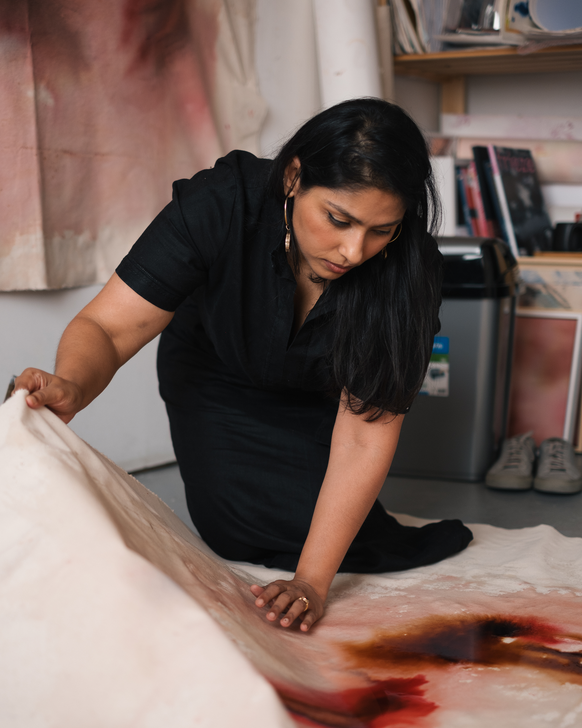
Corporate art is shifting focus. From blue-chip assets to
living, working artists, Mollie Lenton-Lyons explores why
businesses are investing in contemporary creativity.
living, working artists, Mollie Lenton-Lyons explores why
businesses are investing in contemporary creativity.
Corporate art is shifting focus. From blue-chip assets to
living, working artists, Mollie Lenton-Lyons explores why
businesses are investing in contemporary creativity.
Corporate engagement with art is undergoing a radical shift. Since the 1950s, when David Rockefeller pioneered corporate art collections, businesses have largely invested in static displays—artworks selected as assets but gradually losing their connection to the company’s evolving identity. Once carefully curated, these pieces eventually faded into the background, seen but no longer truly experienced.
Today, forward-thinking brands are embracing a dynamic, purpose-driven approach, one that prioritises living artists, ensuring art remains a vibrant and interactive part of corporate spaces. At the heart of this transformation is the rise of art rental, an evolving model that allows businesses to rotate contemporary pieces within their space. Leasing rather than purchasing keeps environments fresh, engaging, and culturally relevant, all while providing a steady source of income for living artists. Since 2009, Artiq has led this shift.
Throughout this time, the role of corporate art has evolved alongside broader changes in workplace culture. Gone are the days when collections were merely status symbols or aesthetic afterthoughts. Today, brands like Halkin, established for over 15 years in the premium and flexible co-working market, recognise art as a powerful tool for storytelling, employee engagement, and brand differentiation. Taciana Dos Santos, Head of Design at Halkin, points out how “In a corporate setting, art can initiate conversations, enhance the work environment, motivate employees, reduce stress, and reflect the company’s values and identity.”
Historically, corporate collections were viewed as prestige assets reflecting the personal tastes of executives. Magnus Resch, author of How to Collect Art, explains how corporate art collections once served as symbols of success and stability, handpicked by leadership to showcase influence. Today, art is a powerful tool for building relationships, reinforcing brand identity, and meaningfully engaging with clients and employees.
This shift aligns with ESG (Environmental, Social, and Governance) and DEI (Diversity, Equity, and Inclusion) commitments. Since these policies began reshaping corporate priorities in the 1960s, employees and other stakeholders increasingly expect inclusive, socially relevant, and creative environments. Unlike traditional blue-chip collections, contemporary rotational displays allow businesses to showcase diverse voices, emerging talent, and socially conscious themes, fostering an atmosphere that reflects today’s workplace values of inclusion and innovation.
Today, forward-thinking brands are embracing a dynamic, purpose-driven approach, one that prioritises living artists, ensuring art remains a vibrant and interactive part of corporate spaces. At the heart of this transformation is the rise of art rental, an evolving model that allows businesses to rotate contemporary pieces within their space. Leasing rather than purchasing keeps environments fresh, engaging, and culturally relevant, all while providing a steady source of income for living artists. Since 2009, Artiq has led this shift.
Throughout this time, the role of corporate art has evolved alongside broader changes in workplace culture. Gone are the days when collections were merely status symbols or aesthetic afterthoughts. Today, brands like Halkin, established for over 15 years in the premium and flexible co-working market, recognise art as a powerful tool for storytelling, employee engagement, and brand differentiation. Taciana Dos Santos, Head of Design at Halkin, points out how “In a corporate setting, art can initiate conversations, enhance the work environment, motivate employees, reduce stress, and reflect the company’s values and identity.”
Historically, corporate collections were viewed as prestige assets reflecting the personal tastes of executives. Magnus Resch, author of How to Collect Art, explains how corporate art collections once served as symbols of success and stability, handpicked by leadership to showcase influence. Today, art is a powerful tool for building relationships, reinforcing brand identity, and meaningfully engaging with clients and employees.
This shift aligns with ESG (Environmental, Social, and Governance) and DEI (Diversity, Equity, and Inclusion) commitments. Since these policies began reshaping corporate priorities in the 1960s, employees and other stakeholders increasingly expect inclusive, socially relevant, and creative environments. Unlike traditional blue-chip collections, contemporary rotational displays allow businesses to showcase diverse voices, emerging talent, and socially conscious themes, fostering an atmosphere that reflects today’s workplace values of inclusion and innovation.
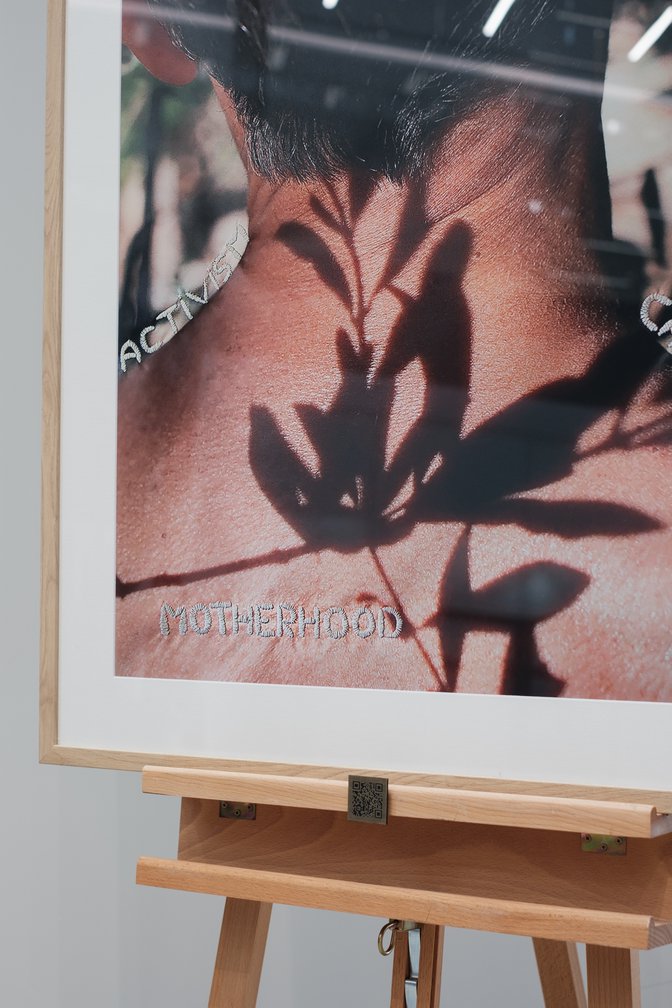
Ruth Duston, CEO of London Heritage Quarter, illustrates this change through a recent collaboration for International Women’s Day. Reflecting on the initiative, she says: “By showcasing five artistic practices across four office lobbies, this installation blended art with themes of technology, nature, and sustainability, offering a thought-provoking way to honour the influence of women in these areas. The celebration also underlined how art can enhance the workplace. In a hybrid working world, offering employees and partners the opportunity to enjoy artistic installations can be transformative for office culture.”
One of the most significant aspects of this movement is its tangible impact on artists themselves. Historically, corporate art investments favoured established names, benefitting the secondary market rather than living, working artists. Today, businesses are committing to contemporary creators, choosing to rent rather than purchase, and in doing so, creating ongoing engagement with artists and providing them with direct financial support.
This shift comes at a pivotal moment for the art market. Public auction data from the first half of 2024 revealed a 26% decline in sales at major houses like Christie’s, Sotheby’s, Phillips, and Bonhams compared to 2023. With figures now falling below pre-pandemic levels, corporate art programmes are emerging as a critical economic force, offering emerging artists exposure and financial stability in an increasingly uncertain market.
Corporate spaces, once overlooked as cultural platforms, now offer artists a new way to reach audiences beyond gallery walls. For many, this means a more consistent and reliable income stream alongside the unpredictability of gallery representation and one-off sales, allowing them to focus more on their craft.
Beyond aesthetics, this shift reflects a broader corporate responsibility toward social impact, community engagement, and cultural investment. Brands are actively looking for ways to contribute to the creative economy, and integrating living artists into workspaces, campaigns, and collaborations is a direct way to do so.
One of the most significant aspects of this movement is its tangible impact on artists themselves. Historically, corporate art investments favoured established names, benefitting the secondary market rather than living, working artists. Today, businesses are committing to contemporary creators, choosing to rent rather than purchase, and in doing so, creating ongoing engagement with artists and providing them with direct financial support.
This shift comes at a pivotal moment for the art market. Public auction data from the first half of 2024 revealed a 26% decline in sales at major houses like Christie’s, Sotheby’s, Phillips, and Bonhams compared to 2023. With figures now falling below pre-pandemic levels, corporate art programmes are emerging as a critical economic force, offering emerging artists exposure and financial stability in an increasingly uncertain market.
Corporate spaces, once overlooked as cultural platforms, now offer artists a new way to reach audiences beyond gallery walls. For many, this means a more consistent and reliable income stream alongside the unpredictability of gallery representation and one-off sales, allowing them to focus more on their craft.
Beyond aesthetics, this shift reflects a broader corporate responsibility toward social impact, community engagement, and cultural investment. Brands are actively looking for ways to contribute to the creative economy, and integrating living artists into workspaces, campaigns, and collaborations is a direct way to do so.
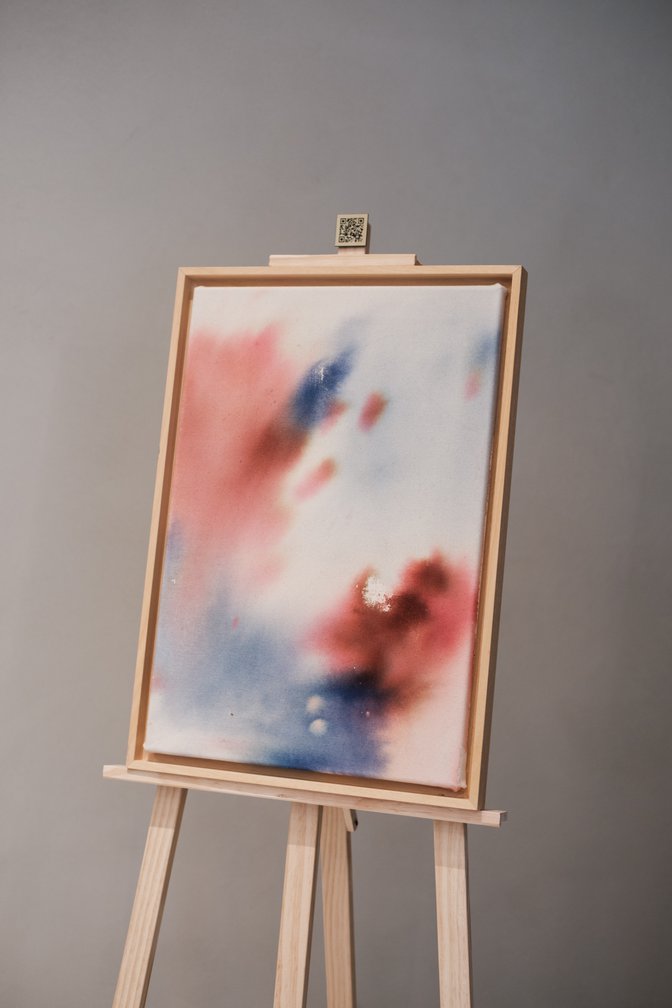
Art has become more than just decoration—it’s now a means of communication, identity, and innovation. Taciana also highlights the practical advantages of art rental: “Renting artwork allows us to keep up with trends, discover new, hot artists, and maintain a cohesive look even when refurbishing a room or an entire building. It’s one less thing to worry about swapping or updating.”
From a business standpoint, art rental offers a cost-effective and agile approach to collecting. Unlike permanent acquisitions, which require significant capital, storage, and long-term maintenance, rentals provide financial flexibility and ensure spaces stay visually dynamic.
In the post-pandemic hybrid workplace, where office design plays a crucial role in connection and creativity, regularly refreshed art can enhance inspiration and cultural relevance. The model also democratises corporate collecting, making art more accessible to those that may not have previously considered investing in it. Opting for a rental model means showcasing a broader range of artists and styles, tapping into cultural trends and aligning interior spaces with contemporary movements.
By championing living artists and embracing rotating collections, there is a clear cultural statement being made. As corporate environments continue to evolve, their role as patrons of contemporary creativity will only grow. Direct engagement with artists ensures that art remains a dynamic, ever-evolving presence within the workplace. As more businesses embrace this approach, the corporate landscape will only become visually richer and more creatively, socially, and culturally engaged with the world we live in today.
From a business standpoint, art rental offers a cost-effective and agile approach to collecting. Unlike permanent acquisitions, which require significant capital, storage, and long-term maintenance, rentals provide financial flexibility and ensure spaces stay visually dynamic.
In the post-pandemic hybrid workplace, where office design plays a crucial role in connection and creativity, regularly refreshed art can enhance inspiration and cultural relevance. The model also democratises corporate collecting, making art more accessible to those that may not have previously considered investing in it. Opting for a rental model means showcasing a broader range of artists and styles, tapping into cultural trends and aligning interior spaces with contemporary movements.
By championing living artists and embracing rotating collections, there is a clear cultural statement being made. As corporate environments continue to evolve, their role as patrons of contemporary creativity will only grow. Direct engagement with artists ensures that art remains a dynamic, ever-evolving presence within the workplace. As more businesses embrace this approach, the corporate landscape will only become visually richer and more creatively, socially, and culturally engaged with the world we live in today.

Mollie Lenton-Lyons, Art Consultant at Artiq
1. Shellie Karabell (2016) How Any Why You Should Start A Corporate Art Collection, Forbes
2. Scott Reyburn (2024) Art Basel Opens to Safe Sales and Fears of a Weaker Market, The New York Times
3. (2023) The Evolution of ESG, CXO Magazine
4. (2024) The Global Art Market in 2024: A Mixed Landscape with Emerging Trend, London Art Collective
1. Shellie Karabell (2016) How Any Why You Should Start A Corporate Art Collection, Forbes
2. Scott Reyburn (2024) Art Basel Opens to Safe Sales and Fears of a Weaker Market, The New York Times
3. (2023) The Evolution of ESG, CXO Magazine
4. (2024) The Global Art Market in 2024: A Mixed Landscape with Emerging Trend, London Art Collective