article Rethinking careers
in the arts
Rethinking careers
in the arts
A frank conversation full of practical
advice for the next generation of arts professionals.
advice for the next generation of arts professionals.
A frank conversation full of practical
advice for the next generation of arts professionals.
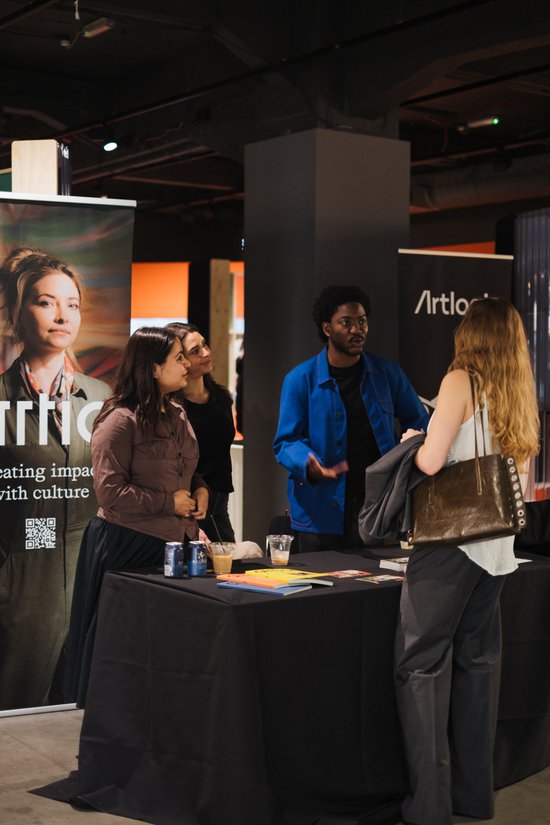
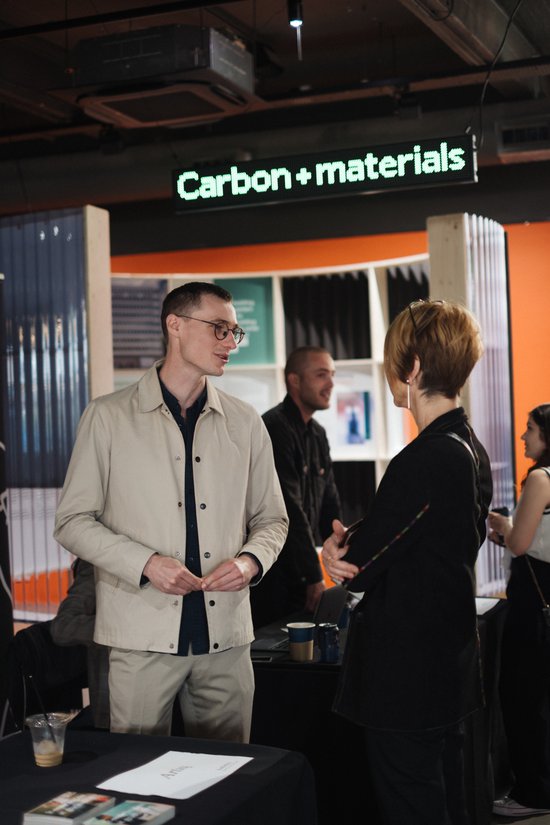
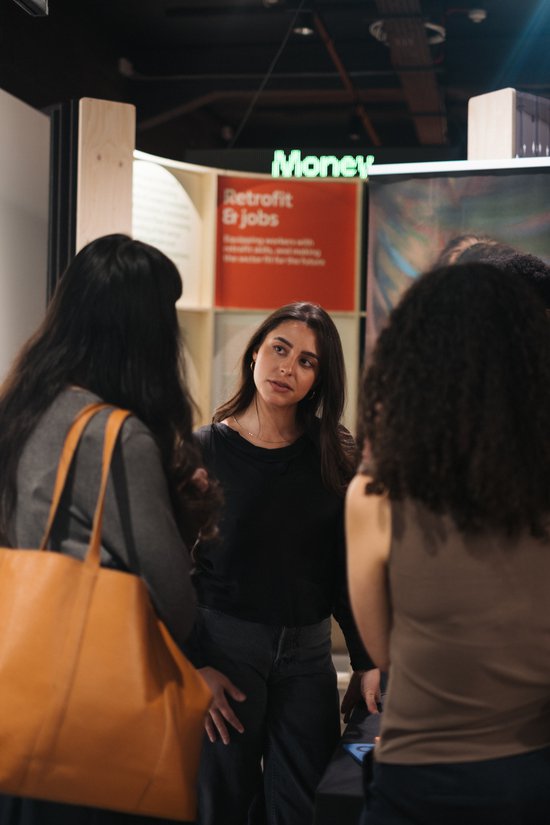
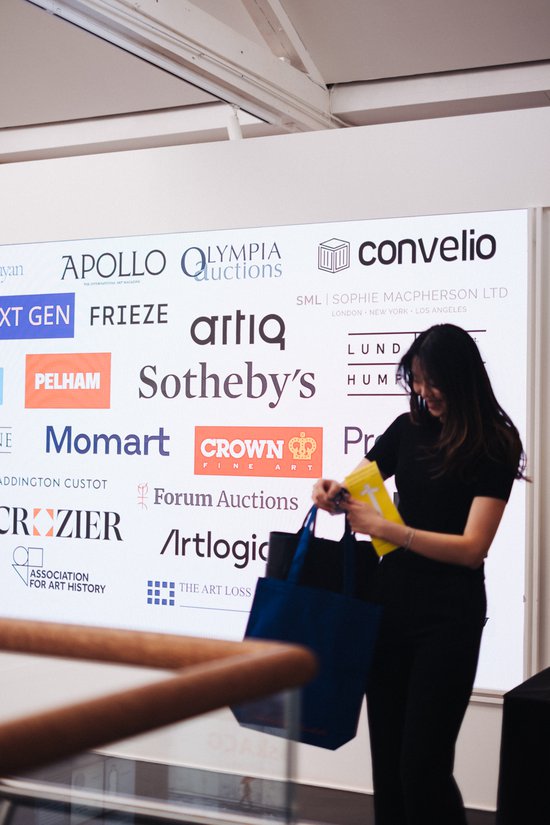
We had the pleasure of attending the Sotheby’s Institute of Art Careers Fair this year. The Artiq team was out in force at the fair — some of whom are Sotheby’s Institute alumni themselves — now thriving in curatorial, commercial, and operational roles.
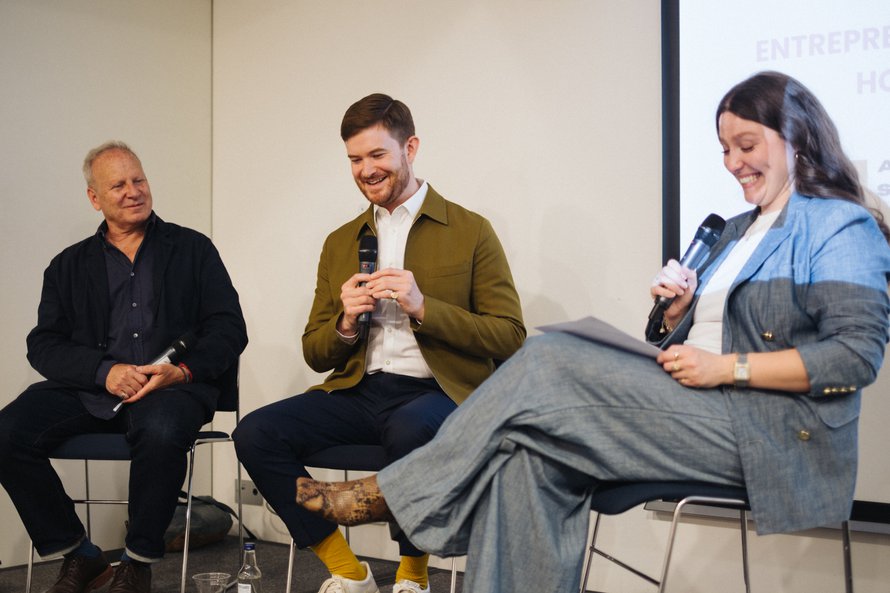
We had the pleasure of joining a panel discussion that brought together leading voices in the cultural sector to explore what building a sustainable, fulfilling career in the arts can really look like. Representing Artiq on stage was our CEO, Patrick McCrae, joined by Alexandra Steinacker-Clark, art historian, curator, writer, and all-round arts powerhouse, and Jeffrey Boloten, co-founder and Managing Director of ArtInsight Ltd., the education partner of leading art market research firm ArtTactic.
We had the pleasure of joining a panel discussion that brought together leading voices in the cultural sector to explore what building a sustainable, fulfilling career in the arts can really look like. Representing Artiq on stage was our CEO, Patrick McCrae, joined by Alexandra Steinacker-Clark, art historian, curator, writer, and all-round arts powerhouse, and Jeffrey Boloten, co-founder and Managing Director of ArtInsight Ltd., the education partner of leading art market research firm ArtTactic.
The conversation was frank, energetic, and full of practical advice for the next generation of arts professionals. Together, the panel tackled the sector’s biggest challenges, from unpaid work and limited access to outdated expectations about what an arts career “should” look like.
Patrick shared Artiq’s story: from our early days over 15 years ago renting art prints to pubs, to building a consultancy that champions creative talent and shows how businesses can be powerful patrons of the arts. “Since 2010, funding to the arts has been cut by 50%,” Patrick explained. “This has led not only to a talent drain but also to elitism in the sector; over 92% of those working in creative industries come from advanced socioeconomic backgrounds. That’s not sustainable.”
The issue of unpaid work emerged as a critical point. “One of the most impactful things we can all do is refuse to work for free,” Patrick said. “It seems obvious, but it’s not. If we want a thriving, diverse sector, we have to insist that creative labour is properly paid.” Alexandra echoed this frustration. “It really worries me to see projects proudly advertise that they run entirely on volunteer labour. That normalises unpaid work in the arts, and devalues all of our contributions,” she said. Her advice to students and early-career professionals: “Start something, even if it’s small or imperfect. That’s how you learn.”
Patrick shared Artiq’s story: from our early days over 15 years ago renting art prints to pubs, to building a consultancy that champions creative talent and shows how businesses can be powerful patrons of the arts. “Since 2010, funding to the arts has been cut by 50%,” Patrick explained. “This has led not only to a talent drain but also to elitism in the sector; over 92% of those working in creative industries come from advanced socioeconomic backgrounds. That’s not sustainable.”
The issue of unpaid work emerged as a critical point. “One of the most impactful things we can all do is refuse to work for free,” Patrick said. “It seems obvious, but it’s not. If we want a thriving, diverse sector, we have to insist that creative labour is properly paid.” Alexandra echoed this frustration. “It really worries me to see projects proudly advertise that they run entirely on volunteer labour. That normalises unpaid work in the arts, and devalues all of our contributions,” she said. Her advice to students and early-career professionals: “Start something, even if it’s small or imperfect. That’s how you learn.”
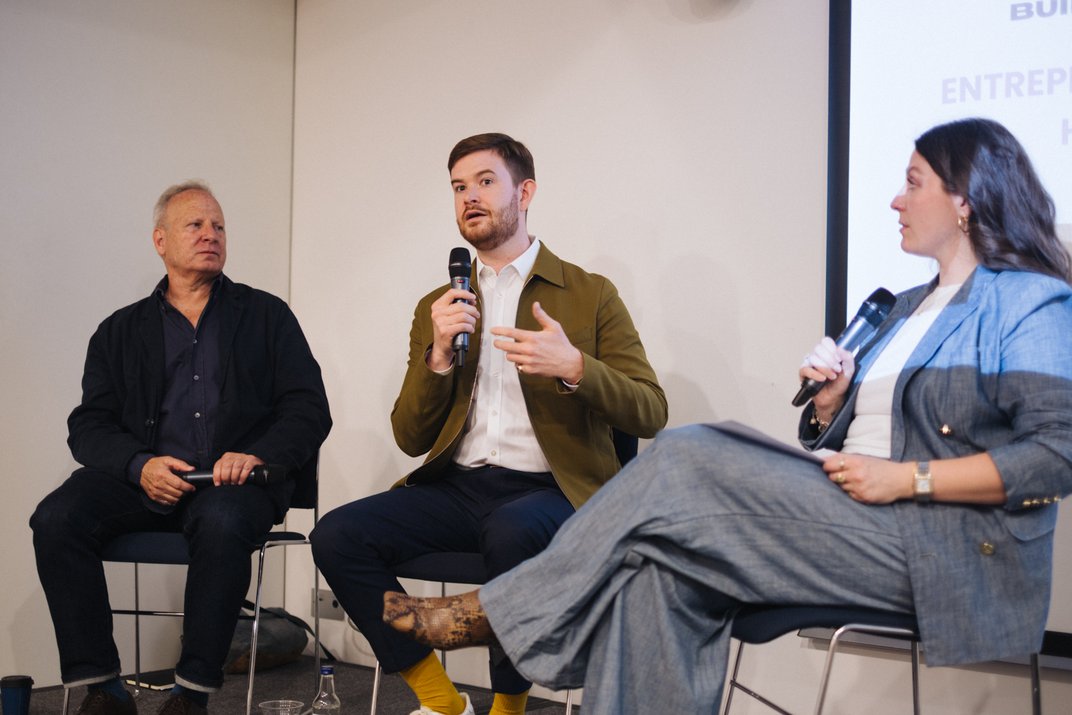
Jeffrey, who also runs the Enterprise Studio at Sotheby’s Institute, brought an entrepreneurial lens to the discussion. “Most of the art world is made up of micro-businesses,” he noted. “We need to train students to not just apply for jobs, but to create them. The best pitches we see are not just about ideas; they’re about the person. Their tenacity. Their purpose.”
Key takeaways from the conversation were:
• Refusing to work for free is a radical act. It sets a precedent that creative labour has value and must be treated accordingly.
• The art world isn’t just galleries and auction houses. There’s a huge, often invisible, ecosystem of consultancies, agencies, and creative enterprises where impactful careers are built.
• Transferable skills matter. You don’t need a traditional background. Experience in finance, retail, marketing, or operations can translate powerfully in the arts. What matters is how you apply it.
At the heart of the conversation was a shared belief that we need to rethink what an arts career looks like in 2025 and beyond. That means challenging the myth that success only comes through traditional institutions or unpaid internships. It means recognising the growing value of hybrid skill sets, where someone with a background in tech, marketing, or operations can bring fresh perspective to curation, cultural strategy, or art consultancy. And it means broadening our definition of the “art world” to include the many emerging spaces where creative work happens: in offices, in digital platforms, in commercial partnerships, and beyond. For Artiq, this rethinking is central to how we work, by creating new models where creativity is visible as well as valued.
A big thank you to Sotheby’s Institute for hosting, and to everyone who stopped by to talk about careers, creativity, and what’s possible.
Key takeaways from the conversation were:
• Refusing to work for free is a radical act. It sets a precedent that creative labour has value and must be treated accordingly.
• The art world isn’t just galleries and auction houses. There’s a huge, often invisible, ecosystem of consultancies, agencies, and creative enterprises where impactful careers are built.
• Transferable skills matter. You don’t need a traditional background. Experience in finance, retail, marketing, or operations can translate powerfully in the arts. What matters is how you apply it.
At the heart of the conversation was a shared belief that we need to rethink what an arts career looks like in 2025 and beyond. That means challenging the myth that success only comes through traditional institutions or unpaid internships. It means recognising the growing value of hybrid skill sets, where someone with a background in tech, marketing, or operations can bring fresh perspective to curation, cultural strategy, or art consultancy. And it means broadening our definition of the “art world” to include the many emerging spaces where creative work happens: in offices, in digital platforms, in commercial partnerships, and beyond. For Artiq, this rethinking is central to how we work, by creating new models where creativity is visible as well as valued.
A big thank you to Sotheby’s Institute for hosting, and to everyone who stopped by to talk about careers, creativity, and what’s possible.