article The Art of
Hospitality
The Art of
Hospitality
Few brands have mastered the art of
hospitality quite like Belmond.
Patrick McCrae sits down with Arnaud
Champenois to explore the future
of luxury travel and the brand’s expanding
cultural influence.
hospitality quite like Belmond.
Patrick McCrae sits down with Arnaud
Champenois to explore the future
of luxury travel and the brand’s expanding
cultural influence.
Few brands have mastered the art of
hospitality quite like Belmond.
Patrick McCrae sits down with Arnaud
Champenois to explore the future
of luxury travel and the brand’s expanding
cultural influence.
With a collection of iconic hotels, trains, river cruises, and safari lodges around the globe, Belmond has consistently set itself apart through a deep commitment to art, culture, and the power of storytelling. However, what distinguishes the brand’s approach to art as a core pillar of its brand identity is how it extends far beyond the walls of its hotels.
While its collections are of museum calibre, the brand also fosters creativity through an artist residency in Mallorca, where talents like Chinese photographer Pixy Liao and Emirati painter Hashel Al Lamki have taken up residence in Deià. The Belmond Legends marketing campaign reimagines its properties through the lenses of global photographic talent, including Coco Capitán, Rosie Marks, and Letizia Le Fur. Its success led Belmond to venture into publishing, resulting in As Seen By, a series of collectible photobooks created in collaboration with Parisian publisher RVB. As someone who has spent their career championing the benefits of businesses investing in art and collaborating directly with artists, I was keen to understand how the mind behind Belmond’s strategy is shaping its creative direction.
Guiding this evolution is Arnaud Champenois, Belmond’s Senior Vice President of Marketing and Brand. His career has been defined by luxury brands, reimagining their narratives, and harnessing creativity as a driving force for transformation. Meeting in London, we discussed his journey, the evolving landscape of luxury, and why meaningful experiences lie at the heart of Belmond’s philosophy.
“I’ve always been drawn to the beginning of something—whether it’s launching new brands, creating products, or reviving ‘sleeping beauty’ brands that need a fresh perspective and a new lease on life. Creativity, art, and contemporary culture are the most powerful tools for reinvention. It also ties into my passion for shaping roles I love. You join a company, but within it, you have the opportunity to carve out your own path, defining what you bring to the brand and how you evolve its story.”
Arnaud’s journey began over two decades ago at Cartier in London, where he started in product marketing and communications. Working under Pilar Boxford, a formidable figure in luxury communications, he learned that branding extends far beyond products. “Pilar was like the queen of communication in the UK at the time. She launched the Cartier International Polo, one of the most significant luxury events at that time.” He then moved to Paris to join L’Oréal’s luxury division, working with Giorgio Armani, Ralph Lauren, and Viktor & Rolf, launching their beauty brand and creating Flowerbomb, a career-defining moment.
After a decade at L’Oréal, he was headhunted by Starwood in Singapore, where he shaped brand strategy for W Hotels, St. Regis, The Luxury Collection, and Le Méridien across the Asia-Pacific region. Here, his career shifted from luxury products to experiences, exactly where the market is today. As Arnaud notes, “Luxury consumers are moving away from ownership and towards lived encounters, spending less on products but more on creating memories. It was also a fascinating time to be in Asia. The region was undergoing a massive transformation, and you could feel the energy everywhere you went. I also had a major realisation that reshaped my perspective on luxury and influenced my career. We were all looking for ways to attract a new generation of guests and consumers. That’s when I met Jérôme Sans, the French curator and cofounder of Palais de Tokyo in Paris. We began developing contemporary art programming together for Le Méridien. I was based in Asia then, and Jérôme had deep insight into Asian artists, particularly from China, Taiwan, and India. We curated exhibitions and collaborations with incredibly talented artists from these regions, which truly opened my eyes to the power of art and culture in shaping guest experiences. It was a breakthrough moment for me.”
While its collections are of museum calibre, the brand also fosters creativity through an artist residency in Mallorca, where talents like Chinese photographer Pixy Liao and Emirati painter Hashel Al Lamki have taken up residence in Deià. The Belmond Legends marketing campaign reimagines its properties through the lenses of global photographic talent, including Coco Capitán, Rosie Marks, and Letizia Le Fur. Its success led Belmond to venture into publishing, resulting in As Seen By, a series of collectible photobooks created in collaboration with Parisian publisher RVB. As someone who has spent their career championing the benefits of businesses investing in art and collaborating directly with artists, I was keen to understand how the mind behind Belmond’s strategy is shaping its creative direction.
Guiding this evolution is Arnaud Champenois, Belmond’s Senior Vice President of Marketing and Brand. His career has been defined by luxury brands, reimagining their narratives, and harnessing creativity as a driving force for transformation. Meeting in London, we discussed his journey, the evolving landscape of luxury, and why meaningful experiences lie at the heart of Belmond’s philosophy.
“I’ve always been drawn to the beginning of something—whether it’s launching new brands, creating products, or reviving ‘sleeping beauty’ brands that need a fresh perspective and a new lease on life. Creativity, art, and contemporary culture are the most powerful tools for reinvention. It also ties into my passion for shaping roles I love. You join a company, but within it, you have the opportunity to carve out your own path, defining what you bring to the brand and how you evolve its story.”
Arnaud’s journey began over two decades ago at Cartier in London, where he started in product marketing and communications. Working under Pilar Boxford, a formidable figure in luxury communications, he learned that branding extends far beyond products. “Pilar was like the queen of communication in the UK at the time. She launched the Cartier International Polo, one of the most significant luxury events at that time.” He then moved to Paris to join L’Oréal’s luxury division, working with Giorgio Armani, Ralph Lauren, and Viktor & Rolf, launching their beauty brand and creating Flowerbomb, a career-defining moment.
After a decade at L’Oréal, he was headhunted by Starwood in Singapore, where he shaped brand strategy for W Hotels, St. Regis, The Luxury Collection, and Le Méridien across the Asia-Pacific region. Here, his career shifted from luxury products to experiences, exactly where the market is today. As Arnaud notes, “Luxury consumers are moving away from ownership and towards lived encounters, spending less on products but more on creating memories. It was also a fascinating time to be in Asia. The region was undergoing a massive transformation, and you could feel the energy everywhere you went. I also had a major realisation that reshaped my perspective on luxury and influenced my career. We were all looking for ways to attract a new generation of guests and consumers. That’s when I met Jérôme Sans, the French curator and cofounder of Palais de Tokyo in Paris. We began developing contemporary art programming together for Le Méridien. I was based in Asia then, and Jérôme had deep insight into Asian artists, particularly from China, Taiwan, and India. We curated exhibitions and collaborations with incredibly talented artists from these regions, which truly opened my eyes to the power of art and culture in shaping guest experiences. It was a breakthrough moment for me.”
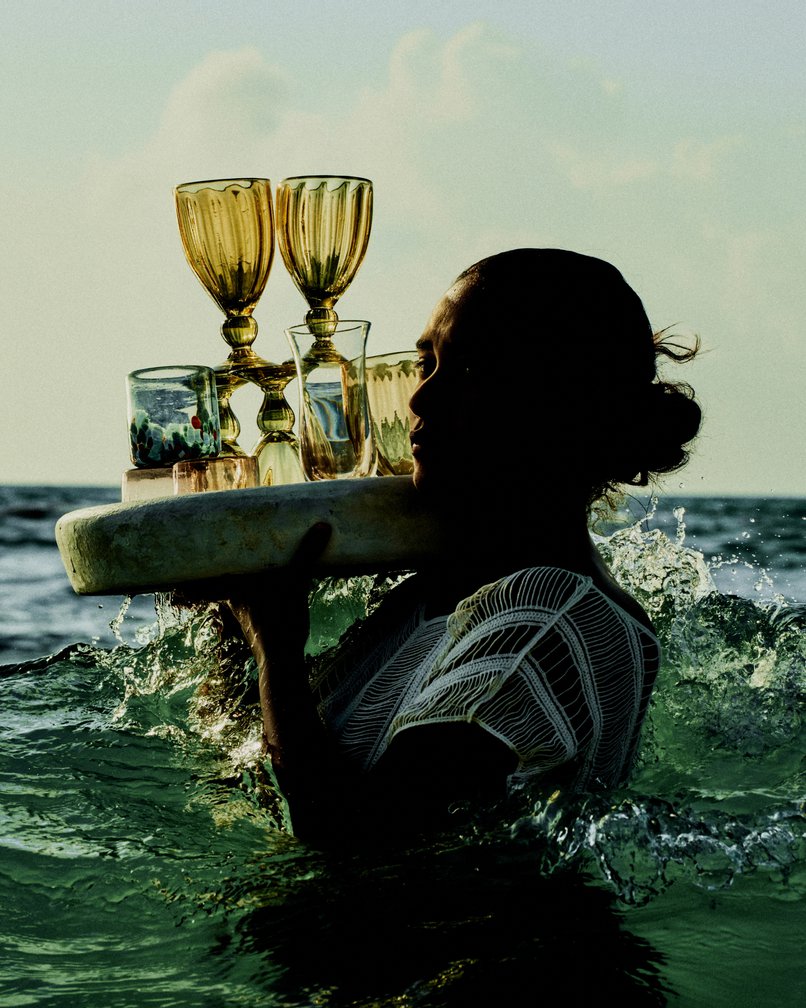
Belmond Legends, Maroma, A Belmond Hotel, Riviera Maya, as seen by Jack Davidson
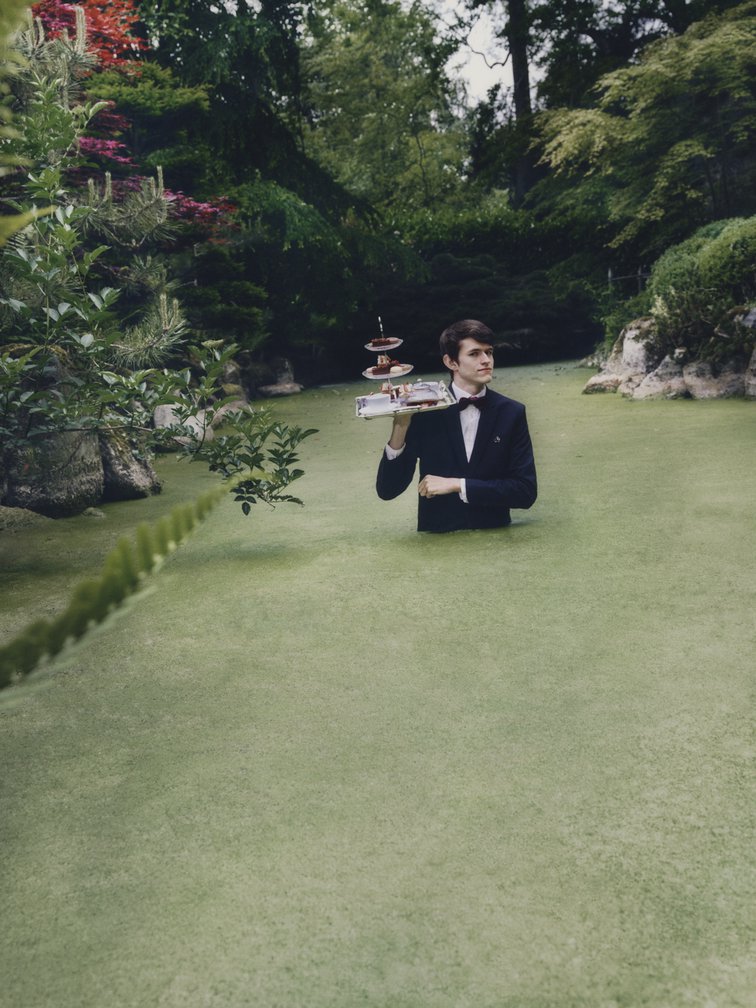
Belmond Legends, Le Manoir aux Quat’Saisons, A Belmond Hotel, Oxfordshire as seen by Thomas Rousse
After six years in Singapore, head hunters approached Arnaud once again with an opportunity to lead the transformation of the legendary Orient Express brand—now under Belmond’s ownership. It was the perfect challenge. “Belmond had this incredible heritage,” he explains. “We’re talking about properties like the Copacabana Palace in Rio and Hotel Cipriani in Venice—places steeped in history and stories. But heritage alone isn’t enough. I moved to London to lead the reimagining of the brand and build the Belmond platform. With such an incredible portfolio, the challenge was how to evolve it for a new generation of guests, honouring its legacy while making it feel contemporary and relevant today.”
Central to that vision was the Belmond Legends campaign. “We wanted to capture the essence of our properties through fresh perspectives,” he says. “Rather than hiring traditional hospitality photographers, we collaborated with fashion and lifestyle photographers, as well as visual artists—people who could bring an entirely different lens to what luxury travel looks like.”
Photographers like Rosie Marks, François Halard, and Jack Davidson were invited to capture Belmond’s properties, each bringing their own unique style to the brand. “I’m incredibly proud of this campaign. It’s something that hasn’t been done before in hospitality and travel, and it has resonated with a new generation of both guests and artists.”
Central to that vision was the Belmond Legends campaign. “We wanted to capture the essence of our properties through fresh perspectives,” he says. “Rather than hiring traditional hospitality photographers, we collaborated with fashion and lifestyle photographers, as well as visual artists—people who could bring an entirely different lens to what luxury travel looks like.”
Photographers like Rosie Marks, François Halard, and Jack Davidson were invited to capture Belmond’s properties, each bringing their own unique style to the brand. “I’m incredibly proud of this campaign. It’s something that hasn’t been done before in hospitality and travel, and it has resonated with a new generation of both guests and artists.”
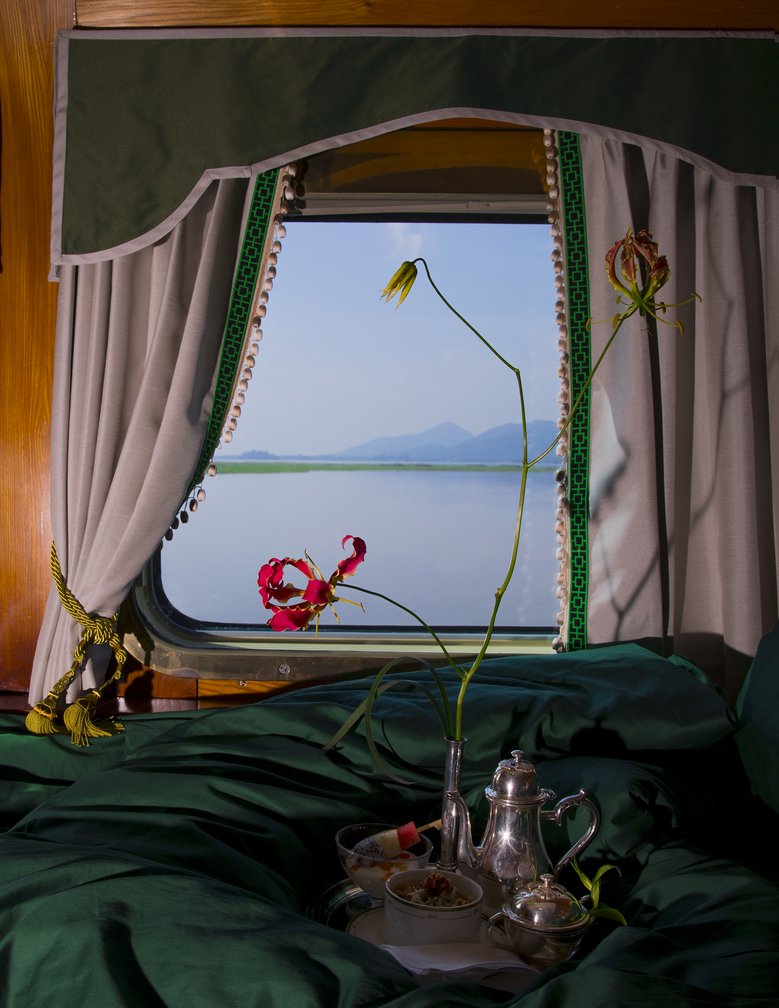
Belmond Legends, Eastern & Oriental Express, A Belmond Train, Malaysia, as seen by Stefanie Moshammer
It’s a game-changer, framing travel through a more fashionable, contemporary lens. By juxtaposing historic buildings with modern creative perspectives, the campaign adds a whole new layer of storytelling to the brand. “Also, it’s real; we’re capturing the experience, a feeling—something alive and in motion.”
If Belmond Legends is redefining how the brand presents itself visually, the Mitico project is transforming how guests interact with Belmond properties. In partnership with Galleria Continua, Mitico has turned some of Belmond’s most captivating landmarks into outdoor art installations. One of the most memorable was by Subodh Gupta at Hotel Cipriani during the Venice Biennale. “It was more than an art piece—it was an experience. Subodh Gupta was cooking, and during the Venice Biennale, he prepared meals twice a day for five days. We hosted guests, influencers, and celebrities, turning it into a conversation about him, his work, and his vision. He called it his cosmos, using traditional Indian kitchen utensils, passed down through generations, to build a house where he cooked and shared meals. What’s more meaningful today than coming together over food with friends and family? It was a beautiful metaphor for life.”
I ask Arnaud whether he sees Belmond’s role evolving beyond hospitality—becoming a publisher, a curator, and, in many ways, an arts patron. Is this a response to the desires and expectations of its guests, or is Belmond actively shaping the trend? Not every brand is investing this much in arts and culture, nor supporting young creatives due to perceived costs. Does Belmond see itself as driving this trend or responding to an existing demand? “Well, you tell me,” Arnaud says. “In hospitality and travel, I’d say absolutely we are leading the way. But I wouldn’t claim we’re ahead of industries like fashion, where investment in art is deeply ingrained, and creativity drives everything they do. That said, it’s also personal for me. I have a real passion for art and culture, and as I mentioned earlier, you create the job you want to enjoy. So yes, it benefits the brand, but I also genuinely love working with arts and culture to shape Belmond’s programming.”
If Belmond Legends is redefining how the brand presents itself visually, the Mitico project is transforming how guests interact with Belmond properties. In partnership with Galleria Continua, Mitico has turned some of Belmond’s most captivating landmarks into outdoor art installations. One of the most memorable was by Subodh Gupta at Hotel Cipriani during the Venice Biennale. “It was more than an art piece—it was an experience. Subodh Gupta was cooking, and during the Venice Biennale, he prepared meals twice a day for five days. We hosted guests, influencers, and celebrities, turning it into a conversation about him, his work, and his vision. He called it his cosmos, using traditional Indian kitchen utensils, passed down through generations, to build a house where he cooked and shared meals. What’s more meaningful today than coming together over food with friends and family? It was a beautiful metaphor for life.”
I ask Arnaud whether he sees Belmond’s role evolving beyond hospitality—becoming a publisher, a curator, and, in many ways, an arts patron. Is this a response to the desires and expectations of its guests, or is Belmond actively shaping the trend? Not every brand is investing this much in arts and culture, nor supporting young creatives due to perceived costs. Does Belmond see itself as driving this trend or responding to an existing demand? “Well, you tell me,” Arnaud says. “In hospitality and travel, I’d say absolutely we are leading the way. But I wouldn’t claim we’re ahead of industries like fashion, where investment in art is deeply ingrained, and creativity drives everything they do. That said, it’s also personal for me. I have a real passion for art and culture, and as I mentioned earlier, you create the job you want to enjoy. So yes, it benefits the brand, but I also genuinely love working with arts and culture to shape Belmond’s programming.”
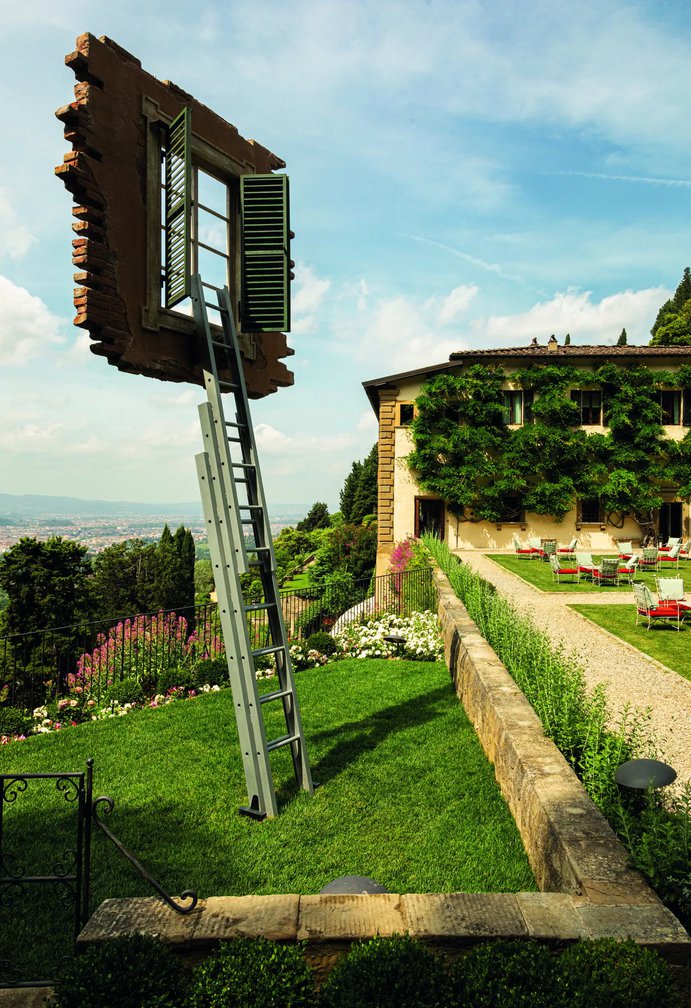
Window & Ladder installation by Leandro Erlich at Villa San Michele, A Belmond Hotel, Florence permanently since Mitico 2022, curated by Belmond and Galleria Continua
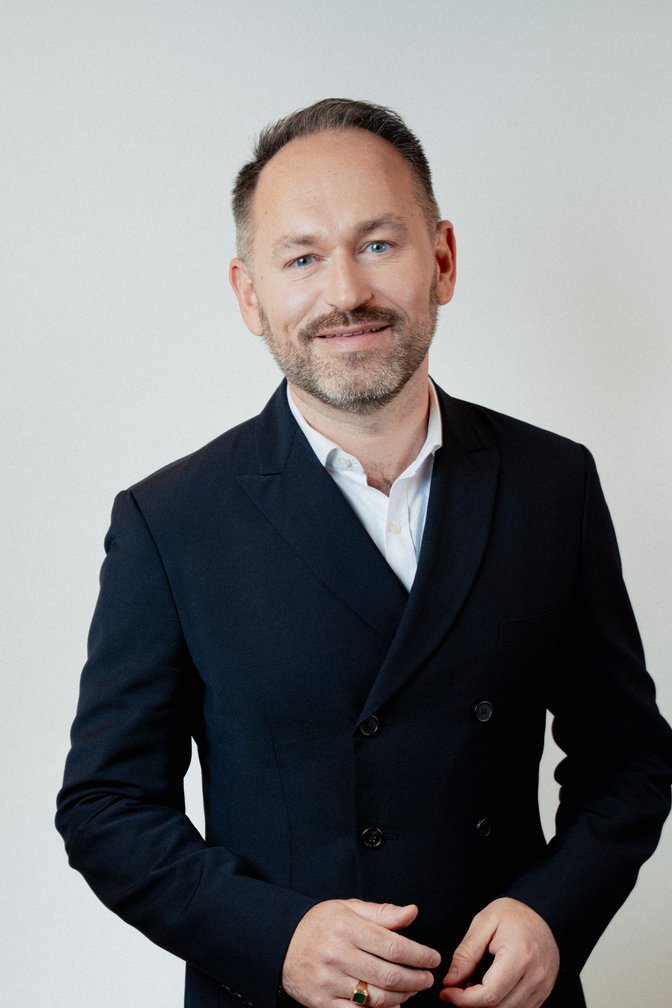
Arnaud Champenois is Belmond’s Senior Vice President of Marketing and Brand
For context, my team at Artiq and I worked with Arnaud and his team at Belmond in 2018 to develop their global art guidelines, a framework for how the brand’s art strategy could be woven into any of its properties, anywhere in the world. I remember helping Arnaud and Belmond acquire works by renowned Italian artists Mimmo Jodice and Salvatore Emblema for hotels in Taormina and along the Amalfi Coast. Even then, it felt like a project deeply connected to his philosophy of shaping a job he loves. At the time, he talked about how many of the Belmond properties have vast gardens and how they could easily become open-air museums or outdoor sculpture gardens. Years later, this vision became a reality. One example was an artwork, a ladder, by artist Leandro Erlich, installed in the corner of the garden at Villa San Michele in Florence in the summer of 2022. Climbing it, you saw the Duomo, a perfect balance of contemporary art and the historic cultural context of the city.
Belmond’s vision of luxury isn’t about excess. Rather, it’s about time, place, and the art of togetherness. Nowhere is this more evident than in the revitalisation of the Eastern & Oriental Express, Arnaud’s original gateway into Belmond. The reimagined journeys take travellers through heritage-rich cities like Penang and Kuala Lumpur, as well as deep into Malaysia’s rainforests, where Belmond partners with WWF to support conservation efforts. In Peru, the Andean Explorer travels across the Andes, soaring 4,000 meters above sea level, so high that several journalists needed oxygen on the press tour. In Europe, the Venice Simplon-Orient-Express remains perhaps the most storied set of carriages in the world. Once carrying figures like Leo Tolstoy, Marlene Dietrich, and Lawrence of Arabia, it has more recently starred in The Spy Who Loved Me (1963) and Murder on the Orient Express (2017).
Belmond’s vision of luxury isn’t about excess. Rather, it’s about time, place, and the art of togetherness. Nowhere is this more evident than in the revitalisation of the Eastern & Oriental Express, Arnaud’s original gateway into Belmond. The reimagined journeys take travellers through heritage-rich cities like Penang and Kuala Lumpur, as well as deep into Malaysia’s rainforests, where Belmond partners with WWF to support conservation efforts. In Peru, the Andean Explorer travels across the Andes, soaring 4,000 meters above sea level, so high that several journalists needed oxygen on the press tour. In Europe, the Venice Simplon-Orient-Express remains perhaps the most storied set of carriages in the world. Once carrying figures like Leo Tolstoy, Marlene Dietrich, and Lawrence of Arabia, it has more recently starred in The Spy Who Loved Me (1963) and Murder on the Orient Express (2017).
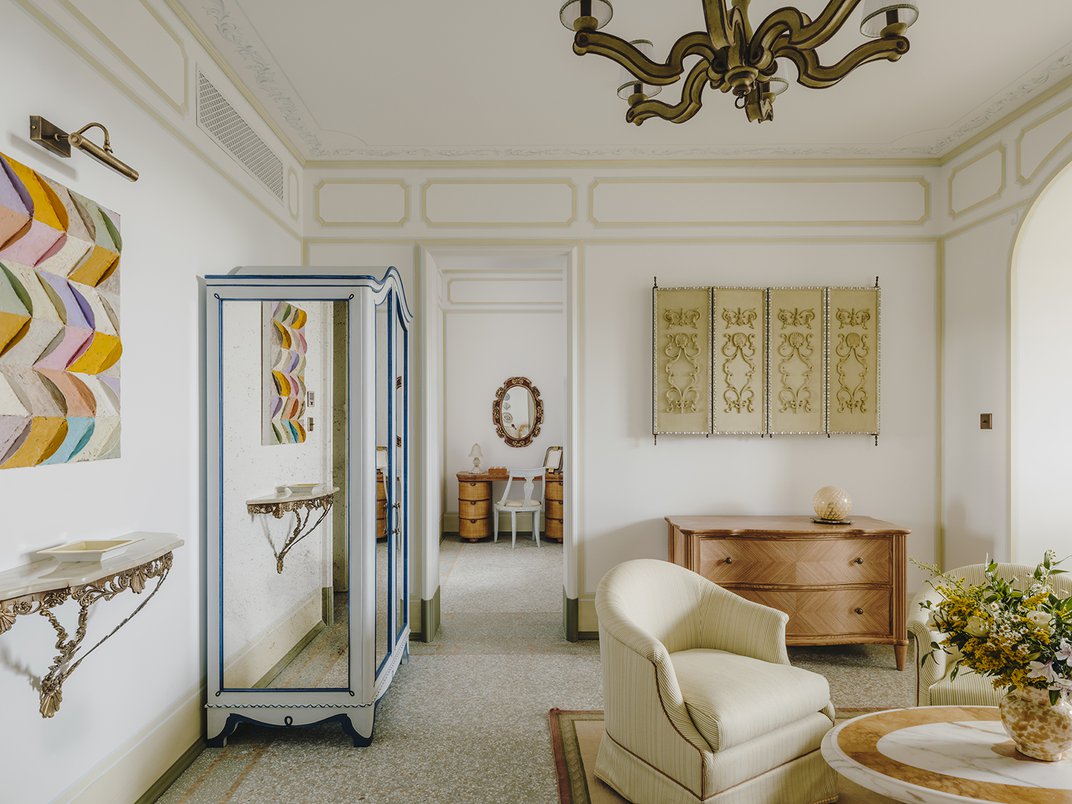
Splendido, A Belmond Hotel reopens this summer in Portofino, Italy, marking a new chapter of timeless elegance. Interiors by Martin Brudnizki Design Studio, art curation by Artiq, photography by Salva Lopes
At its core, Belmond is all about storytelling: of the past and the present, of the brand and how it sees its guests. For the Belmond Legends campaign, photographer Coco Capitán—whose work explores themes of escapism, freedom, queerness, identity, and belonging—captured an image of two men sharing a bed on the train. It was bold, striking, and sent a clear message of inclusivity. “I think it’s essential for brands and corporations to be intentional about what they display: paintings, sculptures, photography, and ceramics can all contribute to storytelling and emotion. But this was daring for us,” says Arnaud. “We received a lot of reactions on Instagram. Some were negative, but there was also a great deal of positive feedback. The photo captured a real, intimate moment between two people on a journey. It was documentary-style, very natural. That’s what we try to do with Belmond: work with truly talented artists to capture the authenticity of travel experiences.”
Our time together is running out. I ask him: what’s next for Belmond? If the past is any indication, the brand’s future will continue to push the boundaries of luxury hospitality, evolving beyond a portfolio of properties into a cultural powerhouse. In Portofino, a new era begins as Splendido unveils its next chapter in June 2025, following a multi-year transformation led by the internationally renowned Martin Brudnizki Design Studio. The redesign embraces the spirit of Ligurian craftsmanship while introducing a refined contemporary energy. “Splendido is a grand dame, an icon, but icons must also evolve,” Arnaud says. “This transformation brings a fresh perspective: a reimagined main building, new rooms, vibrant social spaces, and, for the first time in Italy, a Dior Spa.” In a fitting nod to Belmond’s deep-rooted connection to travel and storytelling, the Venice Simplon- Orient-Express will return to Portofino for a second consecutive summer, a reminder that the romance of the rails is alive and well.
Our time together is running out. I ask him: what’s next for Belmond? If the past is any indication, the brand’s future will continue to push the boundaries of luxury hospitality, evolving beyond a portfolio of properties into a cultural powerhouse. In Portofino, a new era begins as Splendido unveils its next chapter in June 2025, following a multi-year transformation led by the internationally renowned Martin Brudnizki Design Studio. The redesign embraces the spirit of Ligurian craftsmanship while introducing a refined contemporary energy. “Splendido is a grand dame, an icon, but icons must also evolve,” Arnaud says. “This transformation brings a fresh perspective: a reimagined main building, new rooms, vibrant social spaces, and, for the first time in Italy, a Dior Spa.” In a fitting nod to Belmond’s deep-rooted connection to travel and storytelling, the Venice Simplon- Orient-Express will return to Portofino for a second consecutive summer, a reminder that the romance of the rails is alive and well.
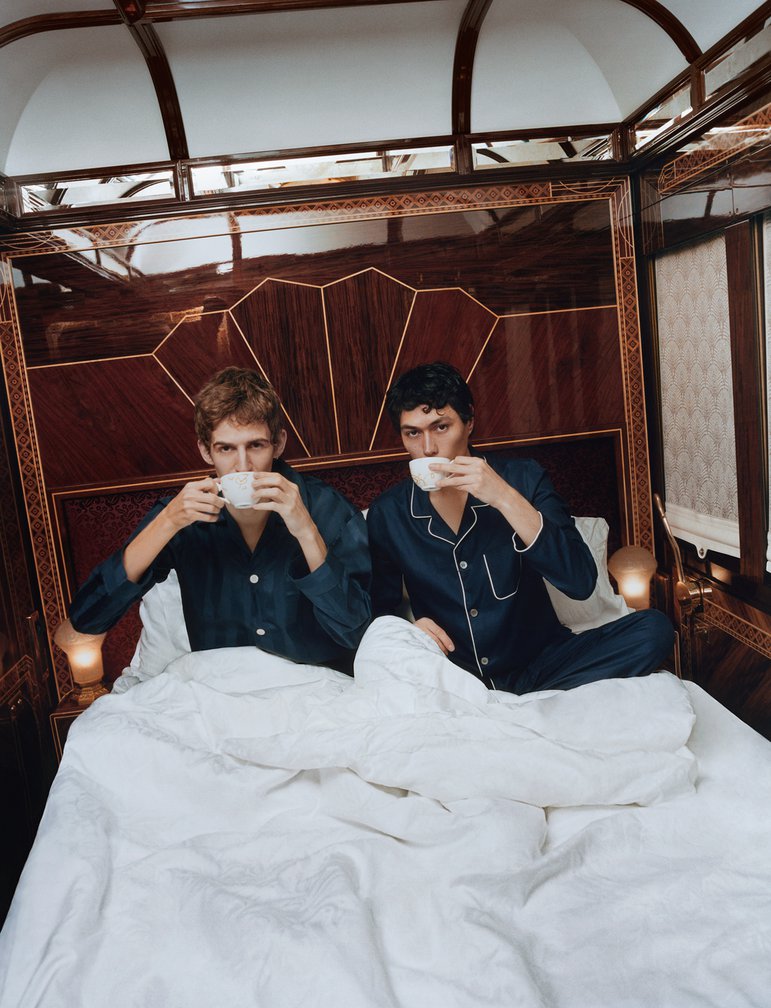
Belmond Legends, Venice Simplon Orient-Express, A Belmond Train, Europe, as seen by Coco Capitan
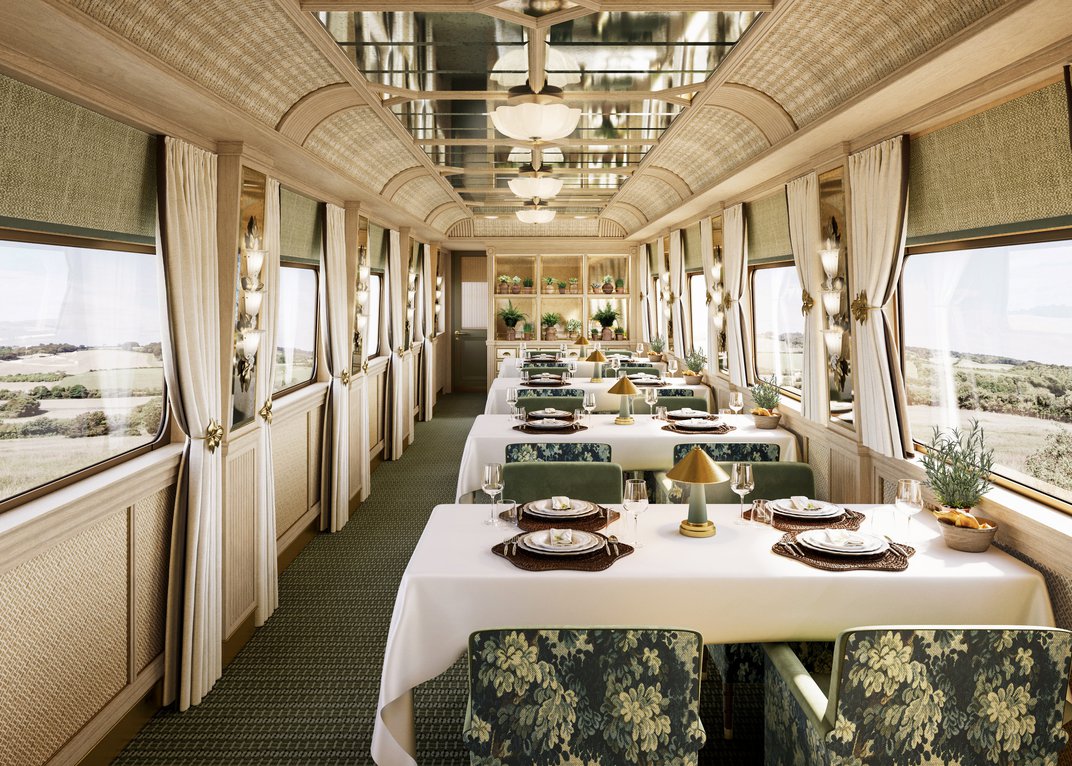
Dining car on Britannic Explorer, A Belmond Train, Britain and Wales’ first luxury sleeper train. Interiors by Albion Nord, photography by Belmond
Closer to home, the spirit of train adventure is arriving with The Britannic Explorer, set to be the first luxury sleeper train to journey across England and Wales. Blending Britain’s rich rail heritage with contemporary culture, it will offer three-night journeys across Cornwall, the Lake District, and Wales. “Train travel has a magic to it: the rhythm, the unfolding landscapes, the feeling of stepping into another era,” Arnaud reflects. “With The Britannic Explorer, we wanted to create something entirely new for this region in the UK, one that honours its history while feeling completely fresh.” Imagine grand landscapes by day and a botanically inspired bar by night—an experience that, much like everything Belmond does, is designed to be immersive, memorable, and deeply connected to its surroundings.
For Arnaud, it’s all part of the same vision: a brand that doesn’t just create places to stay, but places that stay with you long after you’ve left. “Luxury isn’t about conspicuous consumption anymore,” he says. “It’s about authenticity and emotional connection. That’s what we’ll continue to strive for.”
Patrick McCrae, Chair
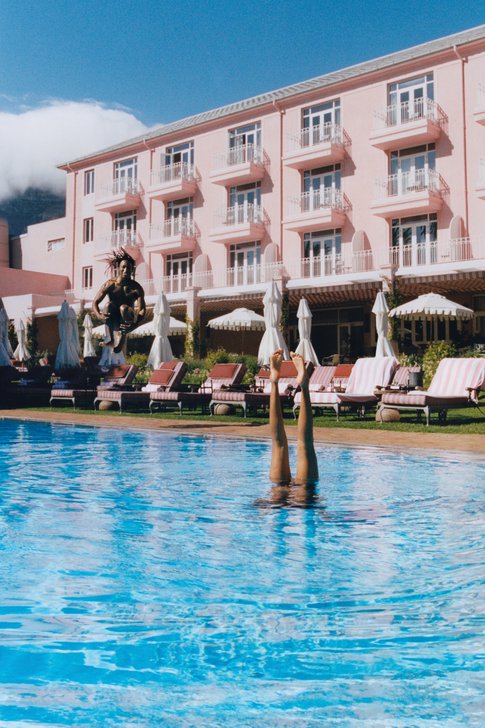
Lead image: Belmond Legends, Mount Nelson, A Belmond Hotel, Cape Town, as seen by Rosie Marks
For Arnaud, it’s all part of the same vision: a brand that doesn’t just create places to stay, but places that stay with you long after you’ve left. “Luxury isn’t about conspicuous consumption anymore,” he says. “It’s about authenticity and emotional connection. That’s what we’ll continue to strive for.”
Patrick McCrae, Chair
Lead image: Belmond Legends, Mount Nelson, A Belmond Hotel, Cape Town, as seen by Rosie Marks