article The importance of art beyond the gallery
The importance of art beyond the gallery
Natalia Makri explores how unexpected
encounters with art can influence how we
feel, connect and experience our surroundings.
encounters with art can influence how we
feel, connect and experience our surroundings.
Natalia Makri explores how unexpected
encounters with art can influence how we
feel, connect and experience our surroundings.
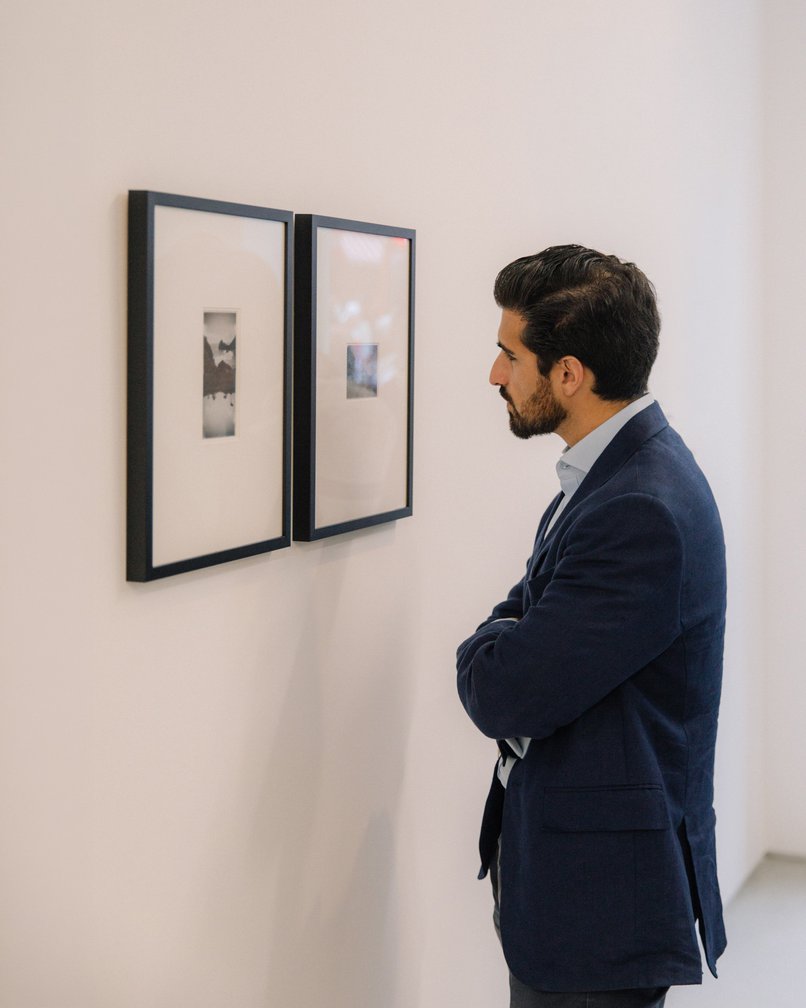
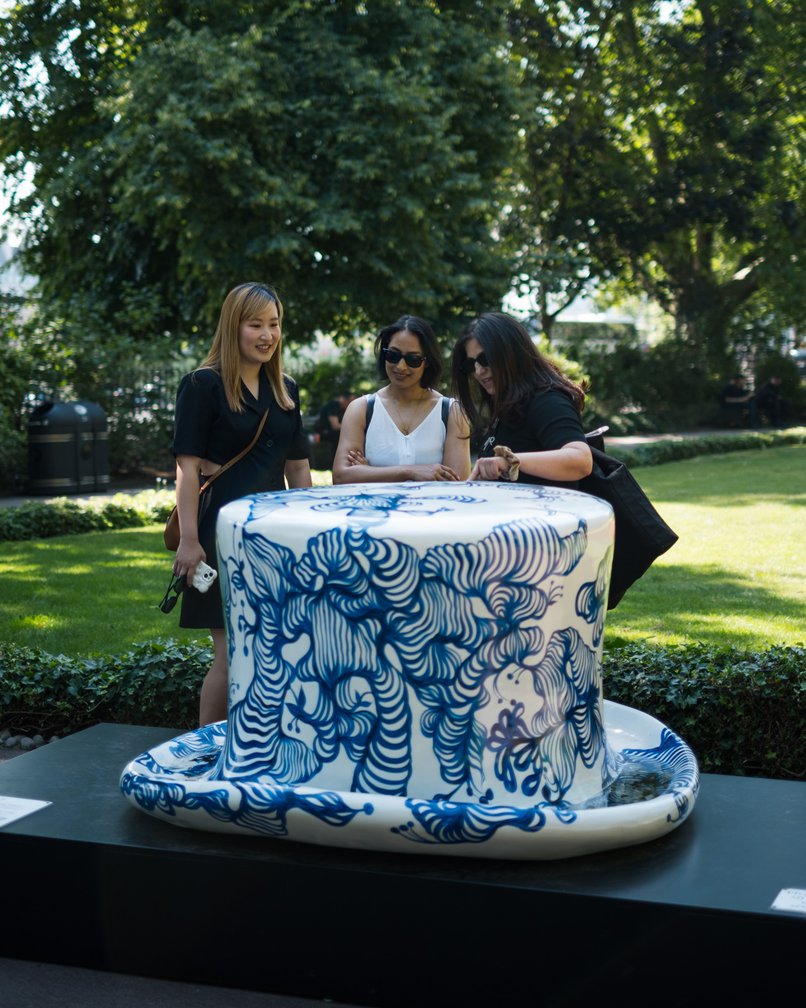
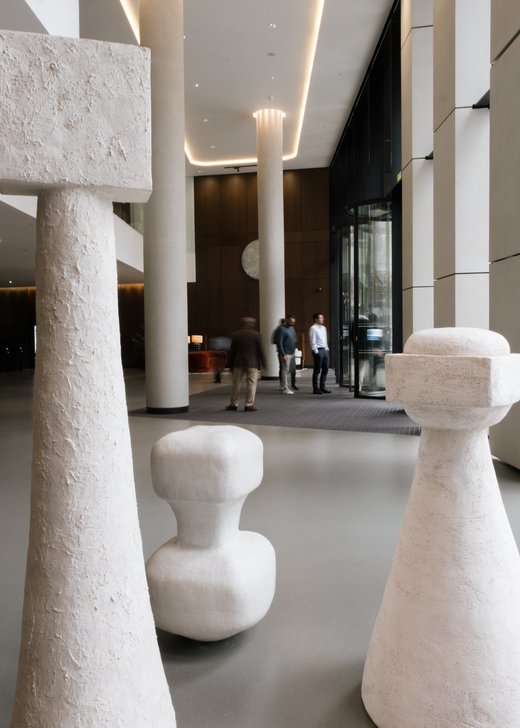
There is a particular kind of encounter that happens outside the gallery. It might be a painting in a hotel lobby that stops you mid-step, a sculpture in a workplace reception that sparks a conversation, or an artwork in a healthcare setting that makes a difficult wait feel a little more bearable. It is the art you did not plan to see; and yet, quietly, it stays with you.
This is not a coincidence. When we encounter art that feels meaningful, the brain’s default mode network, the region linked to introspection or self- reflection, activates. It is the same system we use for daydreaming, and deep thought. Art has the ability to turn our attention inwards.
We tend to think of art as something to be sought out: a destination, an occasion, a ticket booked in advance. But for most of us, our most frequent encounters with art happen in the spaces we move through every day. In the places where we work, stay, live and gather, these moments of connection can have a greater impact than we might realise.
A 2025 systematic review published in the Journal of Positive Psychology examined the evidence on the effects of art viewing on wellbeing, finding consistent support for art's role in promoting positive psychological outcomes. At a physiological level, research cited by Health in Mind suggests that experiencing art can help reduce stress responses while encouraging the release of chemicals associated with calm, connection and motivation. Perhaps most strikingly, a study from the University of Vienna found that just one to two minutes of exposure to art was sufficient to improve mood, reduce anxiety and ease feelings of loneliness. You do not need to be standing in front of a Rothko to feel the effect. Sometimes, a brief and unexpected encounter is enough.
‘We tend to think of art as something to be sought out: a destination, an occasion, a ticket booked in advance. But for most of us, our most frequent encounters with art happen in the spaces we move through every day.’
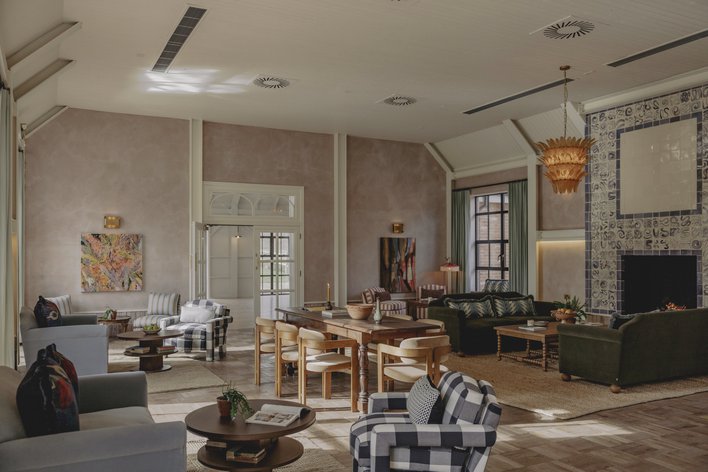
This is particularly relevant in spaces designed around human experience. Healthcare settings have long recognised the role of art in reducing patient anxiety. In healthcare environments, art has long been recognised as a tool for creating calmer, more supportive settings for patients, visitors and staff. In hospitality, a carefully curated artwork collection can communicate a sense of place and welcome before a single word is exchanged. In workplaces, art can encourage connection, creativity and conversation, helping people feel more engaged with the environments they spend much of their time in. Within residential developments, thoughtful curation can transform shared spaces into places that feel distinctive, considered and connected to their communities.
What these spaces share is an understanding that art is not decoration. It is an environmental decision: a deliberate choice about how a space should make people feel, what stories it should tell, and what values it should communicate.
At Artiq, this belief sits at the heart of everything we do. For seventeen years, we have worked with organisations across workplace, hospitality, residential and public spaces to curate collections and experiences that create meaningful connections between people and place. From offices and hotels to residential developments and communal environments, we collaborate with artists, designers and clients to ensure that every artwork has a purpose beyond the wall.
Because the most successful spaces are not defined only by how they look, but by how they make people feel. Art can reduce stress, invite reflection, spark conversation and offer moments of discovery within the everyday. It reminds us that even the most familiar environments can hold something unexpected.
The gallery is a wonderful thing. But art was never meant to stay inside it.
Natalia Makri, Artiq Intern